
Vendor Central is a fundamentally different channel from Seller Central. Amazon is the retailer. You are the supplier. The compliance requirements, the chargeback exposure, the pricing dynamics, and the negotiation leverage are all different — and the cost of managing Vendor Central poorly is significantly higher than most brands realize until they receive a chargeback invoice or lose content control on their own listings.
CMO manages Vendor Central accounts with the operational depth and commercial expertise that the channel requires.
What Vendor Central Costs Brands That Manage It Poorly
Vendor Central is not a passive revenue channel. It is a commercially complex relationship with a very large retailer that imposes financial penalties for operational failures and exercises significant leverage over pricing and content.
Chargebacks and Shortage Claims
Amazon issues chargebacks to vendors for a wide range of compliance failures — late shipments, incorrect labeling, PO confirmation delays, ASN errors, and routing violations. Left uncontested, these chargebacks accumulate quietly and represent direct margin erosion that rarely gets attributed to its real cause. Many vendors accept chargeback invoices without disputing them because the process is time-consuming and the internal expertise to challenge Amazon's claims is not there.
Pricing and Profitability Erosion
Amazon's retail team manages its buy cost against a target margin. If a product does not hit that margin, Amazon may reduce orders, suppress the listing, or request a cost reduction. Brands without a clear negotiation strategy and a thorough understanding of Amazon's pricing mechanics end up conceding margin in annual negotiations without understanding what they gave away or what leverage they had.
Content Control Loss
On Vendor Central, Amazon technically controls the product detail page content. A vendor without active content management through Brand Registry and direct escalation paths loses the ability to maintain accurate listing copy, correct images, and updated A+ content. Competitors and third-party data providers can contribute changes to vendor-owned listings that the brand has no mechanism to prevent without active management.
PO and Forecast Mismanagement
Amazon issues purchase orders based on its own demand forecasting. Vendors who do not actively manage PO confirmations, lead times, and fill rates risk stockouts — which hurt organic ranking and Amazon retail trust — and overstocks, which create pressure for cost concessions or markdown support requests.
How CMO Manages Your Vendor Central Account
Vendor Central management at CMO covers the full commercial and operational relationship with Amazon as a retailer — not just the day-to-day account tasks.
Purchase Order Management
CMO monitors and confirms POs within Amazon's required windows, tracks fulfillment against confirmed orders, and manages communication with your logistics team to maintain the fill rates and lead times that keep Amazon's vendor scorecard healthy. PO mismanagement is one of the primary causes of chargeback exposure. CMO closes that gap systematically.
Chargeback Dispute Management
CMO reviews all chargeback and shortage claims issued against your account, categorizes them by dispute viability, and submits disputes through Amazon Vendor Central's dispute process with supporting documentation. Chargebacks that are not contested within Amazon's dispute window become permanent deductions. CMO ensures that window is never missed and that every disputable claim is challenged with the appropriate evidence.
Pricing and Margin Management
CMO tracks Amazon's retail pricing on your catalog, monitors for price parity issues that trigger demand signals, and supports your commercial team during annual cost negotiations with data on sell-through, margin performance, and competitive pricing context. Margin concessions made without this data are rarely recovered.
Content Control and Listing Management
CMO maintains content control on Vendor Central listings through Brand Registry and direct escalation, ensuring that your listing copy, images, and A+ content reflect the brand's current standards. For brands running Amazon listing optimization and A+ content through CMO, the Vendor Central content management is aligned with the same content strategy applied across the full catalog.
Vendor Scorecard Monitoring
Amazon's vendor scorecard tracks operational metrics including confirmation rate, fill rate, and on-time delivery. Scorecard deterioration triggers reduced PO volume and can affect listing visibility. CMO monitors the scorecard continuously and addresses metric declines before they produce commercial consequences.
Amazon Retail Relationship Management
CMO manages communication with your Amazon retail buyer and vendor manager — escalating issues that require human intervention, responding to Amazon's requests for information or cost justification, and flagging changes in Amazon's buying behavior that indicate shifts in the commercial relationship worth acting on.
Hybrid 1P and 3P Strategy
For brands operating across both Vendor Central and Seller Central, CMO manages the channel strategy governing which ASINs sit where, how pricing is maintained across both channels, and how the two accounts interact in Amazon's catalog. The Vendor Central and Amazon account management operations are run as a coordinated whole, not as separate engagements.
Vendor Central-Driven Results
We manage every operational layer of your Vendor Central account—from PO management and chargebacks to content control and promotional strategy. We deliver consistent, impressive, and measurable results through disciplined operational management and retail readiness.
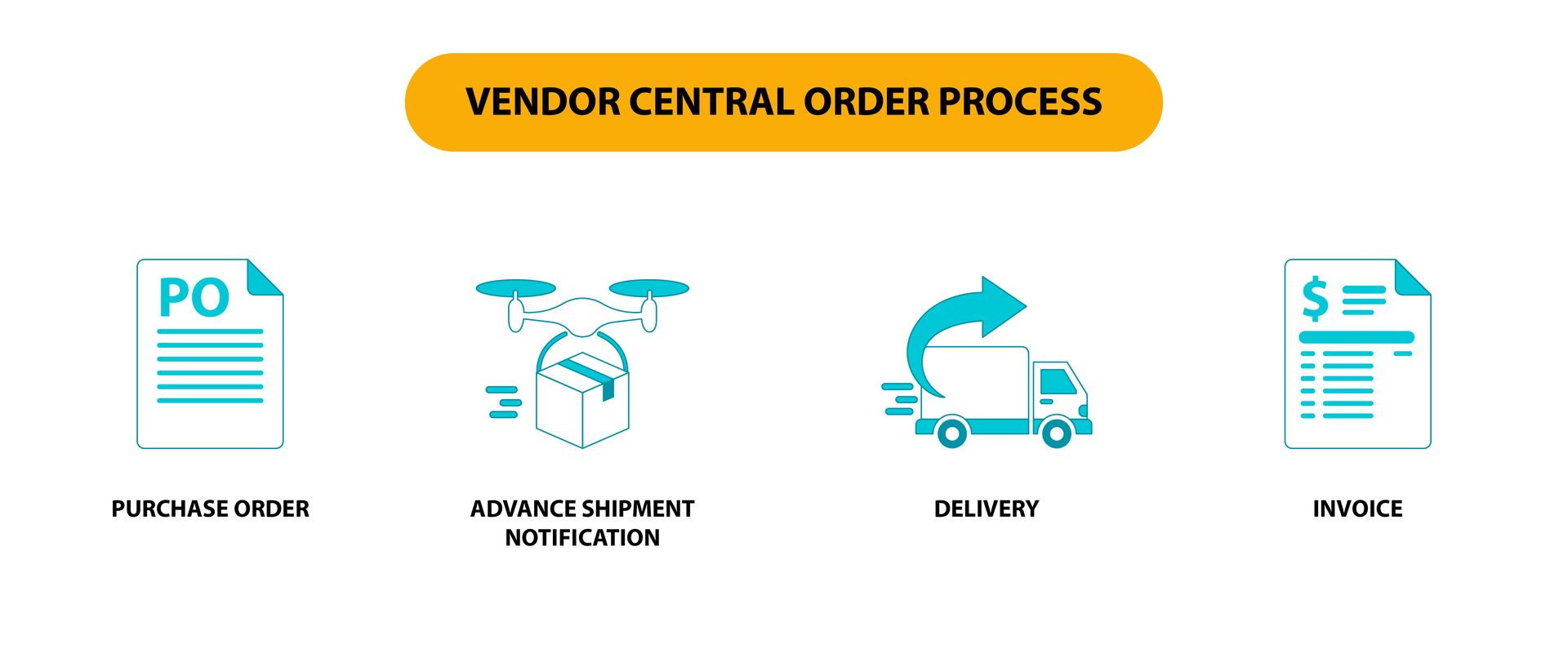
What Amazon Vendor Central Management Includes
Every CMO Vendor Central engagement covers the full commercial and operational scope.
What Proper Vendor Central Management Recovers
A supplement brand generating $2.8M annually through Vendor Central
The Situation: This brand came to CMO with $94,000 in outstanding chargeback and shortage claims across the preceding 12 months — none of which had been disputed. The brand's internal team had been confirming chargebacks as valid without reviewing them because no one had the time or process to challenge them. Vendor scorecard fill rate had declined to 81% due to PO confirmation delays caused by a disconnected logistics communication process. Content on six key ASINs had been overwritten by Amazon's automated catalog system, replacing accurate ingredient copy and compliant claims with incorrect information sourced from a third-party data provider.
What CMO Did: CMO conducted a retrospective chargeback audit covering 18 months of claims and identified $61,000 in disputable deductions with supporting documentation available. Disputes were filed across three dispute windows. A PO management workflow was implemented that tied Amazon's PO confirmation requirements directly into the brand's 3PL communication timeline, eliminating the confirmation delays driving the scorecard decline. Content was restored on all six affected ASINs through Brand Registry and direct escalation to the vendor support team, with Brand Registry locks applied to prevent future automated overwrites.
The Result: $47,000 in chargeback disputes were resolved in the brand's favor within 90 days. Vendor scorecard fill rate recovered from 81% to 96% within 60 days of the PO workflow change. Content was restored and locked on all six ASINs within 30 days. The brand's Amazon retail buyer issued an increased PO volume in the following quarter after the scorecard improvement.
Why Brands Choose CMO for Vendor Central Management
Commercial expertise, not just operational management
Vendor Central is a commercial relationship with a powerful retailer. Managing it well requires understanding how Amazon's retail team thinks about margin, how to negotiate cost requests, and when to push back on chargeback claims. CMO brings that commercial depth to Vendor Central management — not just the operational task management that most agencies provide.
Chargeback recovery as a standard function
Most brands leave significant money on the table because Vendor Central chargeback disputes are time-consuming and the process is opaque. CMO treats chargeback management as a standard, ongoing function — not a reactive task triggered when the invoice is too large to ignore. The disputes are reviewed, filed, and tracked as part of the regular account operation.
Coordinated with the full brand operation
Vendor Central does not exist in isolation from the rest of a brand's Amazon presence. Pricing on 1P listings affects Seller Central pricing. Content on vendor-managed pages needs to match the brand's listing strategy. Amazon brand protection on Seller Central listings connects to distribution decisions that affect vendor relationships. CMO manages all of these connections because they are managed by the same team with full visibility of the account.
Frequently Asked Questions
Vendor Central Should Be Working For You, Not Against You
The chargeback exposure, the content control loss, and the margin erosion that come with poorly managed Vendor Central accounts are recoverable with the right management in place. CMO brings the commercial and operational expertise to manage your Amazon vendor relationship properly.
