
Your listing is your best salesperson — and it is working 24 hours a day. If it is not converting, the problem usually is not your product. CMO optimizes every element of your Amazon listing to rank higher in search, answer the questions buyers are actually asking, and turn clicks into sales. If Amazon PPC management is driving the traffic, a well-optimized listing is what closes it.
What a Weak Listing Is Costing You
Traffic without conversion is just money out the door. Most brands underestimate how much their listing is responsible for — and how much a poorly structured one is quietly costing them every day.
Traffic Without Sales
Your Amazon PPC management campaigns are running, impressions are up, but conversion rate is stuck. The listing is getting the click — and losing the sale. This is almost always a content problem, not a traffic problem. Increasing the ad budget does not fix a listing that is not doing its job.
Keywords Without Context
A listing stuffed with keywords but missing the story. Amazon's algorithm now evaluates whether your content actually answers shopper intent — including the conversational queries Amazon Rufus is fielding. Keyword density alone stopped being enough. A listing that ranks but does not answer buyer questions will not convert, and over time, its rank will follow.
One-and-Done Listings
A listing written at launch and never touched since. Category language evolves, competitor claims shift, buyer expectations change. A listing that was strong two years ago is rarely still the best-performing one today. The brands that treat listing content as ongoing work consistently outperform those that treat it as a one-time task.
Every Element of Your Amazon Listing, Done Right
Listing optimization is not just copywriting. A complete listing covers the title, bullets, A+ content, backend terms, image set, and Rufus readiness — all working as a single system. Here is what CMO covers.
Product Title
Your title carries the highest SEO weight of any field on the listing and is the first thing a shopper reads before deciding to click. CMO writes titles that lead with the primary keyword, communicate the product's clearest benefit, and stay within character limits without truncating on mobile. A poorly constructed title loses both rank and click-through before a buyer ever sees the detail page.
Bullet Points
Five bullets, each doing a specific job: lead benefit, key feature, use case, differentiation, and trust signal. Written to be scannable on mobile, confident in tone, and structured to answer the questions a buyer would have before adding to cart. Most brands use bullets to list what the product is. CMO uses them to build the case for why a shopper should buy it.
Product Description and A+ Content
For brand-registered sellers, CMO replaces the standard description with A+ Content — a visual, structured layout that tells your brand story, handles common objections, and guides the buyer toward the add-to-cart. A+ content has been shown to improve conversion rates by 3 to 10% on average. It is also read by Amazon Rufus when surfacing product recommendations, making it a conversion and discovery asset at the same time.
Backend Search Terms
The fields buyers never see but Amazon's algorithm reads closely. CMO populates backend terms strategically — targeting synonym variations, misspellings, and long-tail phrases not covered in the front-end copy, without keyword stuffing. This is where additional search coverage is built without cluttering the visible listing.
Image Guidance
CMO reviews your current image set and provides specific recommendations for main image, lifestyle shots, infographic frames, and video. The goal is simple: reduce the number of questions a buyer needs answered before purchasing. Every unanswered question is a reason not to buy. See what CMO's Amazon creative services can do for your full image stack.
Rufus and AI Readiness
Amazon's AI shopping assistant Rufus reads your listing to answer shopper questions conversationally. CMO ensures your title, bullets, and Q&A section are written to answer the questions Rufus is being asked in your category — not just to rank for keywords. Most agencies have not caught up to this yet. It is now a meaningful layer of Amazon SEO that affects both discoverability and recommendation placement.
What Amazon Listing Optimization Includes
Every CMO listing engagement covers the full content stack.
Listing Optimization-Driven Results
We optimize every element of your Amazon listing — title, bullets, backend keywords, and imagery — to increase organic rank and convert more of your existing traffic. We deliver consistent, impressive, and measurable results through listings built around buyer intent and search behavior.

Next Phase Filters
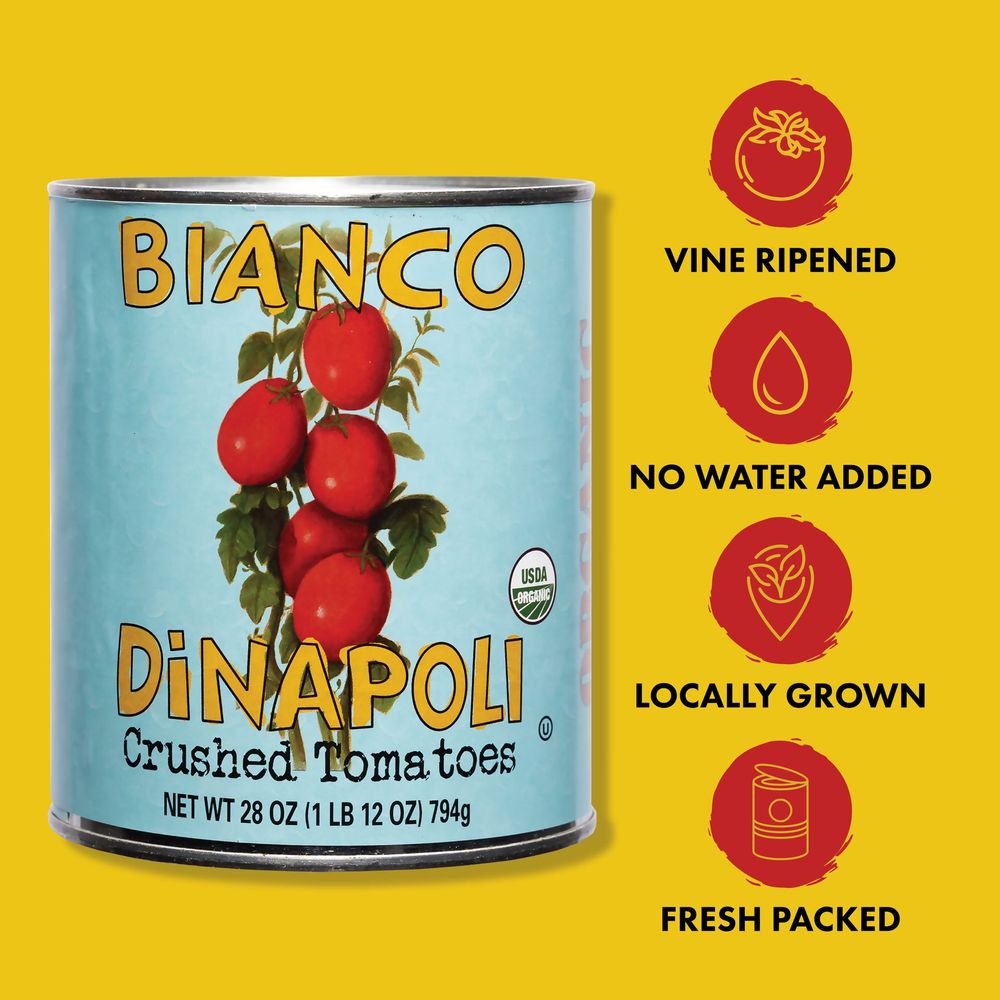
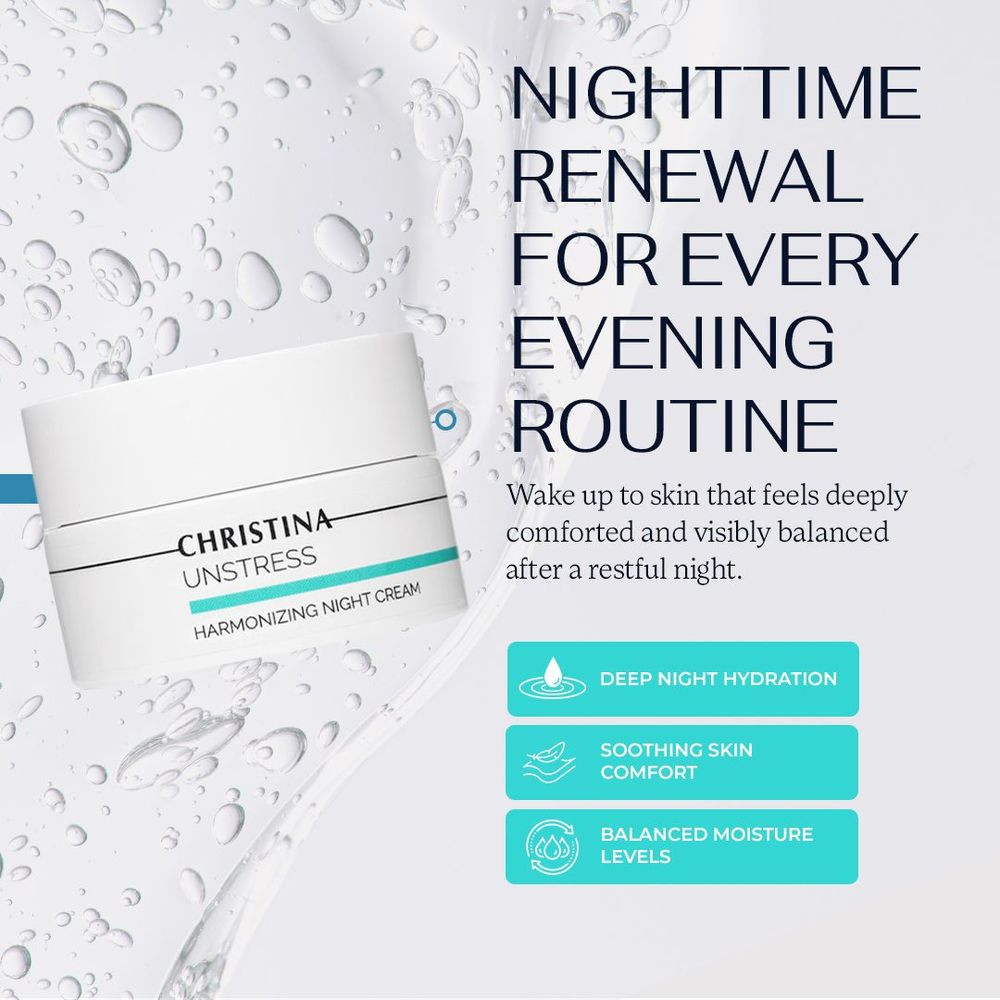
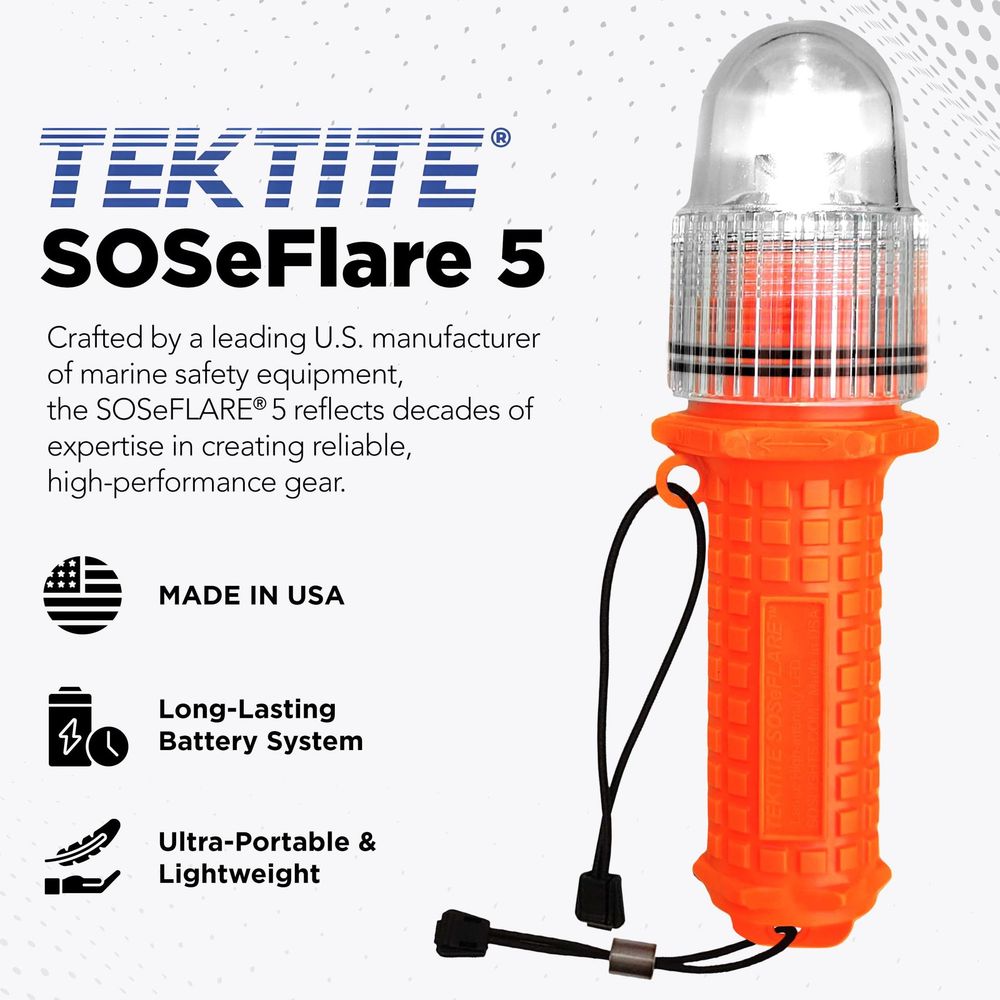
189% increase in sales growth over 3 months driven by A+ content.
View Case Studies →What Optimized Listings Actually Do for Revenue
Consumer Health Brand
The Situation: This brand's main ASIN was getting strong traffic from PPC but converting at 9.8% — well below the category average of 18.5%. The listing had been live for 18 months without a content update.
What We Did: A full listing audit identified three specific issues. The title was missing the primary conversion keyword, bullet points were feature-led with no benefit framing, and there was no A+ content in place. CMO rewrote the full listing stack, built A+ content with a comparison module, and restructured the Q&A section to surface answers to the three most common pre-purchase questions.
The Result: Conversion rate improved from 9.8% to 17.6% within 45 days. Revenue from organic sessions increased by 42% in the following 60 days. The listing also began appearing in Amazon Rufus responses for health-related shopper queries in its category.
Why Brands Choose CMO for Listing Optimization
Full-stack, not just copy
CMO optimizes the whole listing — title, bullets, A+, backend, images, and Rufus readiness. Not just the copywriting. Everything works as one integrated system because every element affects the others. A strong title pointing to weak bullets is a leaky funnel. CMO builds the whole thing. You can also explore our Amazon Storefront Design if your brand presence on Amazon needs to extend beyond individual listings.
Amazon category expertise
Having worked across 100+ brands in categories from health and beauty to home goods and supplements, CMO's writers understand what converts in your specific category — not just what follows generic best practices. Category context changes how buyers read copy, what trust signals matter, and what objections need to be addressed before the sale.
Conversion and SEO, together
Most copywriters optimize for search. Most designers optimize for conversion. CMO optimizes both at once — because a listing that ranks but does not convert is just as broken as one that converts on the rare visitor who finds it. Amazon SEO and listing conversion are not two separate workstreams here. See our full capabilities for how listing work connects to the wider operation.
Rufus-ready by default
Every listing CMO produces is structured to answer the conversational queries Amazon Rufus is being asked by shoppers in your category. This is the new layer of Amazon SEO that most agencies have not caught up to yet. Getting this right now is a meaningful competitive advantage while most listings are still being written for the old model.
FAQs for Amazon Listing Optimization
Your Listing Should Be Working Harder
Every day a weak listing is live, it is costing you conversions you have already paid to earn. CMO optimizes your full listing stack — title, bullets, A+, backend, and Rufus readiness — so every visit has the best possible chance of becoming a sale.
Get a Free Listing Audit →