
Decoding Amazon's ODR: 6 Secrets to a Stellar Seller Score and Skyrocketing Sales!

Author name

In the cutthroat world of Amazon, your reputation is everything. And one of the most critical metrics that determines your fate is the Order Defect Rate (ODR). Think of it as your Amazon credit score – a low ODR unlocks perks like higher rankings and increased visibility, while a high ODR can lead to account suspension and plummeting sales.

With Amazon projected to process over 7 billion U.S. delivery orders in 2026, potentially surpassing USPS as the nation’s largest parcel carrier by 2028, maintaining a low ODR is more crucial than ever. Amazon sellers must maintain an Order Defect Rate below 1% to remain in good standing on the platform.

So, how do you keep your ODR in check and ensure a thriving Amazon business? This blog post is your ultimate guide to understanding, monitoring, and mastering your Amazon Order Defect Rate. Let's dive in!

ODR Unveiled: What is Amazon's Order Defect Rate?

Amazon Order Defect Rate (ODR) is a key performance indicator (KPI) used by Amazon to measure the quality of customer service provided by sellers on the platform. It represents the percentage of orders that have resulted in a negative customer experience, such as a credit card chargeback, an A-to-z Guarantee claim, or negative feedback.


In simple terms, ODR reflects how well you're fulfilling orders and keeping customers happy. A high ODR signals that customers are frequently encountering issues with their orders, which is a red flag for Amazon and a reflection of poor customer service and operational inefficiencies.

Conversely, a low ODR indicates that customers are generally satisfied with their purchases, reflecting well on your product quality, fulfillment processes, and customer support.


Why does ODR matter?
Because Amazon prioritizes customer satisfaction above all else. A low ODR demonstrates your commitment to providing a positive shopping experience, which earns you favor with Amazon and unlocks numerous benefits.


Calculating Your Destiny: The ODR Formula

The Amazon Order Defect Rate is calculated using a simple formula:

Amazon Order Defect Rate = (Number of Defected Orders / Total Orders Received) x 100

For example, if you had 10 defective orders out of 1,000 total orders in a given period, your ODR would be (10 / 1000) x 100 = 1%.

Important Note: Amazon typically evaluates ODR over a rolling 60-day window, so it's crucial to monitor your performance consistently and address any issues promptly.


Keeping a Close Watch: Monitoring Your ODR in Seller Central

Fortunately, Amazon provides a user-friendly dashboard in Seller Central where you can track your ODR and identify potential problems. Here's how to monitor your ODR:

  1. Log in to your Amazon Seller Central account.
  2. Navigate to the 'Performance' tab.
  3. Select 'Account Health' from the drop-down menu.
  4. Review the information provided. This will display your current Order Defect Rate (ODR).
  5. If your ODR is higher than the target rate (below 1%), take a closer look at the data to determine the root cause of the defects.
  6. Take corrective action to address any identified issues that are contributing to the increased ODR.
  7. Monitor your ODR periodically to ensure that your corrective actions are effective.
  8. Create alerts to be notified when your ODR reaches a certain threshold, allowing you to proactively address any potential problems.
  9. Maintain a high level of customer service and track customer reviews to ensure that any negative feedback is addressed quickly and effectively.


The Danger Zone: What Happens When Your ODR Exceeds 1%?

When your Amazon Order Defect Rate exceeds 1%, you're entering dangerous territory. Amazon takes ODR seriously, and a high ODR can have severe consequences for your business:

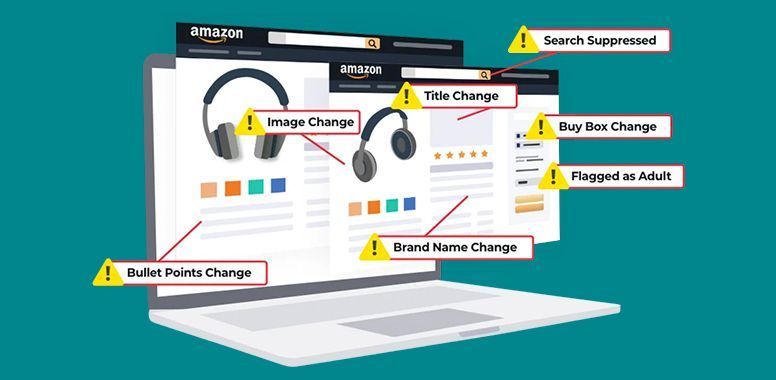
  • Listing Suppression: Your product listings may be suppressed, making them invisible to potential customers.
  • Account Suspension: In severe cases, Amazon may suspend your seller account, effectively shutting down your business.
  • Reduced Visibility: Your search rankings may plummet, making it harder for customers to find your products.
  • Loss of Buy Box: You may lose the coveted "Buy Box," which significantly reduces your chances of making a sale.
  • Limited Access to Services: Amazon may restrict your access to certain services, such as advertising or premium support.

The key takeaway: Maintaining an ODR below 1% is not just a recommendation – it's a requirement for staying in good standing on Amazon and ensuring the long-term success of your business.


Decoding the Defects: Factors That Impact Your ODR

To effectively improve your ODR, it's essential to understand the factors that contribute to order defects. Here are the most common culprits:


A. Credit Card Chargebacks:

A credit card chargeback occurs when a customer disputes a charge with their credit card company, typically due to a defective product, unauthorized transaction, or dissatisfaction with the purchase. When a customer files a chargeback, Amazon must investigate the claim and may refund the customer, depending on the outcome. This can result in a defect on the order.


B. A-to-z Guarantee Claims:

Amazon offers an A-to-z Guarantee to protect customers who have experienced a problem with their order, such as receiving a damaged, late, or incorrect item. If a customer is eligible for a refund under the A-to-z Guarantee, Amazon will investigate the claim and may issue a refund or replacement, which can also create a defect on the order.


C. Negative Feedback:

Negative feedback from customers is a clear indicator of dissatisfaction and can significantly impact your ODR. If a customer leaves negative feedback about an order, it suggests that they were unhappy with their purchase, which may indicate that the order was defective in some way. Amazon may investigate the claim and may issue a refund or replacement, depending on the outcome.


Six Steps to ODR Success: Strategies for Improvement

Now that you understand the importance of ODR and the factors that influence it, let's explore six actionable strategies you can implement to improve your ODR and boost your Amazon business:


1. Respond to All Negative Feedback:

Ignoring negative feedback is a surefire way to damage your reputation and increase your ODR. Make it a priority to respond to all negative feedback promptly and professionally. Apologize for the customer's negative experience, offer a solution or discount, and demonstrate your commitment to customer satisfaction.

2. Prioritize Fast and Free Shipping:

In today's fast-paced world, customers expect fast and free shipping. Make sure your products are shipped on time and with no extra charges. This will help to reduce customer complaints and keep them happy, leading to a lower ODR.

3. Optimize Fulfillment During the Holidays:

The holiday season is a critical time for online retailers, and it's essential to ensure that your fulfillment process is as efficient as possible. This can help to reduce delays and ensure that your products reach customers on time, minimizing customer complaints and improving satisfaction.


4. Provide Perfect Packaging:

Damaged products are a major cause of customer dissatisfaction and can significantly impact your ODR. Make sure that the packaging of your products is secure and of high quality to reduce the risk of damage during shipping.

5. Review Your Product Listing Page:

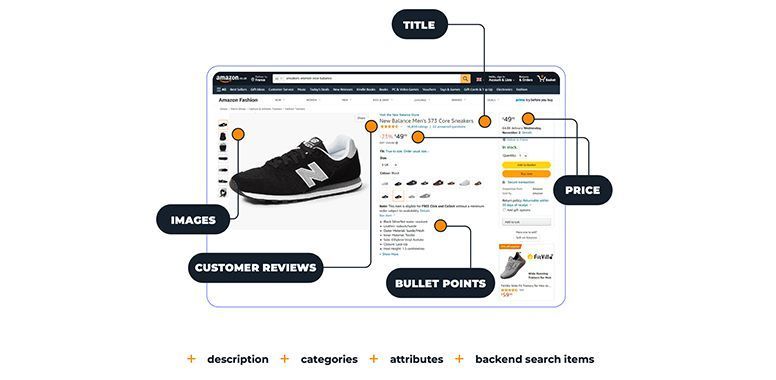
Your product listing page is your virtual storefront, and it's crucial to ensure that it meets Amazon's guidelines and is optimized for customer satisfaction. Pay attention to the title, images, product descriptions, pricing, and customer reviews. Make sure your title accurately describes the product, your images are clear and professional, your product description is detailed and easy to understand, and your pricing is competitive. Additionally, monitor customer reviews and respond to them in a timely manner.


6. Monitor Your Listing:

Keep a close eye on your listing to ensure that it is up-to-date and accurate. This can help to reduce customer complaints and keep them happy, leading to a lower ODR. Additionally, it will help to reduce the number of refunds and returns, which can significantly reduce your ODR.


Partnering for Perfection: How CMO Can Help You Conquer Amazon

Managing your Amazon business and maintaining a stellar ODR can be a complex and time-consuming task. That's where CMO comes in. We help brands like yours not just survive, but thrive on Amazon.

Unlike most agencies that sell you on their most knowledgeable team member and then hand you off to someone less experienced, we're structured more like your CPA or law firm. Your senior person stays engaged the entire time, meets with you regularly, and delivers measurable results. And all of this happens on a fractional basis, making expert support accessible and efficient.

The result? Your brand finally gains control over resellers and content, looks amazing on Amazon, and grows sales consistently. CMO becomes a true part of your team, helping you navigate the complexities of Amazon with confidence and clarity.

Amazon package with Prime tape and logo.
By William Fikhman February 2, 2026
From the inside, Amazon looks manageable. Listings are live. Ads are running. Sales are steady. On the surface, everything appears fine. From the outside—from an agency’s vantage point—it rarely is. That gap between perception and reality is where most Amazon growth stalls. Not because brands aren’t working hard, but because they’re too close to the machine to see where it’s leaking. Agencies don’t see Amazon the way brands do. They see patterns. Brands See Their Catalog. Agencies See the System. Most brands evaluate Amazon one SKU at a time: Is this listing converting? Is this keyword ranking? Is this campaign profitable? Agencies zoom out. They see how: One weak image suppresses an entire category One inconsistent title structure confuses AI systems One risky compliance shortcut creates long-term fragility One misaligned SKU drags down brand trust across the catalog Brands optimize pieces. Agencies optimize interactions . That difference changes everything. Brands See Performance. Agencies See Signal Quality. A brand sees: Clicks ACOS Sessions Revenue An agency asks: Why did the click happen? What signal did that click send to Amazon? Did the shopper hesitate? Did the listing reinforce intent—or dilute it? Did the ad amplify clarity—or expose confusion? Two brands can have identical metrics and wildly different futures. Because Amazon doesn’t reward activity. It rewards confidence signals . Agencies are trained to read those signals early—before performance drops show up in reports. Brands Fix Symptoms. Agencies Diagnose Structure. When sales dip, brands often react tactically: Add more keywords Increase bids Swap images Rewrite bullets Launch promos Agencies step back and ask a harder question: “What’s structurally misaligned?” Is the listing trying to serve too many use cases? Is the imagery saying one thing while the copy says another? Is the brand positioning inconsistent across SKUs? Is the catalog teaching Amazon what the brand isn’t ? Most Amazon problems don’t need more effort. They need better alignment. Brands Think Like Sellers. Agencies Think Like Amazon. This is the blind spot that matters most. Brands think: “How do I sell this product?” Agencies think: “How does Amazon decide when to show, trust, and recommend this product?” That mindset shift changes how everything is built: Titles are written for interpretation, not stuffing Images are designed for recognition, not decoration A+ content resolves doubt instead of adding features Ads reinforce positioning instead of chasing volume Agencies don’t optimize for Amazon. They optimize with Amazon’s decision logic in mind. Brands See Today. Agencies See the Compounding Effect. Small inconsistencies feel harmless in isolation. Agencies see how they compound: Slight messaging drift becomes brand confusion Minor policy risks become account fragility Inconsistent visuals weaken AI confidence Short-term wins erode long-term authority Amazon rewards brands that behave predictably over time. Agencies are paid to protect that predictability—even when it means saying no to short-term gains. Brands Focus on What’s Visible. Agencies Focus on What’s Silent. Some of the most dangerous Amazon problems don’t announce themselves. Agencies notice: When conversion friction increases before revenue drops When AI visibility softens without ranking loss When shoppers hesitate instead of bouncing When ads prop up listings that should stand on their own Silence on Amazon is rarely neutral. It’s usually a warning. Why This Perspective Gap Exists Brands live inside their product. Agencies live across hundreds of catalogs, categories, and outcomes. That exposure builds pattern recognition brands can’t develop alone—no matter how smart or experienced they are. It’s not about effort. It’s about distance. From Clicks to Conversions: Partner With Experts Who See the Whole Board At Chief Marketplace Officer , we don’t just execute tasks—we interpret systems. We see Amazon the way it actually works, not the way it appears from inside a single brand. Our team of Amazon specialists: Identifies structural issues before they show up in performance reports Aligns images, copy, ads, and A+ into one clear decision signal Designs listings for AI interpretation and human confidence Protects brand trust while scaling visibility and revenue Amazon sellers don’t fail because they don’t work hard. They stall because they can’t see what’s holding them back. That’s where we come in. Ready to Turn Browsers Into Buyers? 👉 Book Your Strategy Call with CMO Now Final Thoughts Most Amazon problems aren’t obvious. They’re systemic. And the hardest part isn’t fixing them—it’s recognizing them. Agencies don’t have better ideas because they’re smarter. They have a better perspective because they’re farther away. On Amazon, distance creates clarity. And clarity is what unlocks scale. Because the brands that win aren’t the ones doing more. They’re the ones finally seeing what’s been there all along.
Laptop screen with Amazon Seller Central logo, Account Health Auditing progress bar. Shopping bags, shopping cart.
By William Fikhman February 2, 2026
After a few Amazon audits, you start spotting mistakes. After a few dozen, you recognize trends. After hundreds, you stop looking at tactics altogether. You start seeing systems. At scale, Amazon success isn’t about clever tricks or isolated optimizations. It’s about how well a brand aligns with how Amazon evaluates , trusts , and recommends products over time. And after auditing hundreds of Amazon brands across categories, price points, and maturity levels, the lessons are surprisingly consistent. Most Brands Aren’t Broken—They’re Misaligned Very few brands we audit are “bad.” Many are talented. Well-funded. Experienced. But they’re misaligned. Their listings say one thing while their images imply another. Their ads chase keywords their listings can’t support. Their A+ content adds information but removes clarity. Their catalog grows without a unifying logic. On Amazon, misalignment doesn’t just slow growth—it quietly erodes trust. And trust is the currency Amazon cares about most. Conversion Problems Rarely Start With Copy Brands often assume low conversion is a wording issue: “We need stronger bullets.” “We need better keywords.” “We need more benefits.” But audits show something different. Conversion issues usually start before the copy: Images that don’t instantly define the product Main images that blend into the search results Visual stacks that force interpretation Use cases that aren’t obvious at a glance When shoppers hesitate visually, copy never gets a chance to work. High-performing brands don’t persuade harder—they clarify sooner. Most Listings Try to Say Too Much One of the most common audit findings is over-communication. Brands try to: Serve every use case Appeal to every audience Capture every keyword Preempt every objection The result is a listing that feels busy, vague, and exhausting. Amazon—and shoppers—reward decisiveness. Listings that win audits usually: Commit to a primary outcome Clearly define who the product is for Make tradeoffs obvious instead of hidden Remove unnecessary options Clarity isn’t restrictive. It’s liberating. Ads Expose Listing Weakness Faster Than Anything Else PPC performance is one of the fastest diagnostic tools in an audit. When ads struggle, it’s rarely because: Bids are too low Keywords are wrong Campaigns aren’t complex enough It’s because the listing can’t convert the promise the ad makes. Audits repeatedly show: High CPCs tied to unclear positioning Poor ROAS driven by visual mismatch Wasted spend propping up structurally weak listings Ads don’t fix problems. They reveal them. Brand Consistency Is the Hidden Growth Lever Across hundreds of audits, one pattern stands out clearly: Brands that scale smoothly feel predictable . Not boring—predictable. Their: Titles follow a consistent logic Images reinforce the same promise A+ content repeats—not reinvents—the story Reviews validate the same outcomes Catalog feels intentional, not accidental This predictability makes Amazon confident recommending them. Inconsistent brands don’t just confuse shoppers. They confuse the algorithm. Compliance Issues Are Usually Design Problems Most compliance risks we uncover aren’t malicious or careless. They’re structural. Claims hidden in images. Implications buried in icons. Language that feels “safe” in isolation but risky in context. Brands focus on policy rules . Audits reveal the importance of policy interpretation . Listings that feel restrained, clear, and factual convert better and survive longer. Compliance isn’t the enemy of creativity. It’s the framework that protects scale. The Best Brands Think Like Teachers After hundreds of audits, one truth becomes obvious: The strongest Amazon brands teach instead of sell. They: Explain what the product does in plain language Guide shoppers toward the right choice Reduce comparison fatigue Set expectations honestly Let confidence replace hype As Amazon leans further into AI-driven discovery and decision support, this teaching mindset becomes a competitive advantage. Amazon doesn’t promote confusion. It promotes understanding. From Clicks to Conversions: Partner With Experts Who See the Patterns At Chief Marketplace Officer , we don’t audit to generate checklists—we audit to reveal systems. Our experience across hundreds of Amazon brands allows us to see: What quietly suppresses growth What signals Amazon trusts What patterns repeat across winning catalogs What breaks long before revenue does Our team of Amazon specialists: Diagnoses structural misalignment, not surface-level issues Aligns images, copy, ads, and A+ into one cohesive decision signal Builds catalog-level consistency that scales safely Designs listings for long-term trust—not short-term spikes Amazon sellers don’t need more tactics. They need perspective earned through repetition. That’s where we come in. Ready to Turn Browsers Into Buyers? 👉 Book Your Strategy Call with CMO Now Final Thoughts Auditing hundreds of Amazon brands teaches you one thing above all else: Success isn’t accidental—and failure is rarely sudden. Most outcomes are earned quietly, through alignment, restraint, and clarity. The brands that win aren’t doing more. They’re doing fewer things better —and doing them consistently. On Amazon, experience isn’t just knowledge. It’s pattern recognition. And pattern recognition is what turns effort into scale.