

How AI Is Changing Amazon SEO—and What Brands Must Do to Stay Visible

February 2, 2026

Share this article

Amazon search is no longer just a keyword-matching engine. In 2025, it’s becoming a highly intelligent, behavior-driven, AI-powered discovery system that prioritizes shopper intent, conversion probability, and brand trust over simple keyword placement.

For brands, this means one thing: traditional Amazon SEO strategies are no longer enough. What worked two or three years ago—keyword stuffing, basic optimization, and simple ranking tactics—now delivers diminishing returns.

In this guide, we’ll explore how artificial intelligence is reshaping Amazon’s search ecosystem and what brands must do to remain visible, competitive, and profitable in an increasingly algorithm-driven marketplace.


The Evolution of Amazon Search

Amazon’s original search model focused heavily on matching keywords in titles, bullet points, and backend fields. Ranking was influenced largely by:


  • Sales velocity

  • Keyword relevance

  • Conversion rate

  • Price competitiveness

  • Inventory availability

While these still matter, AI now layers behavioral and predictive signals on top of them.

Today’s system evaluates how shoppers interact with listings in real time, including:


  • Scroll depth

  • Time spent on product pages

  • Click-through rate from search results

  • Engagement with images and video

  • Repeat purchase behavior

  • Brand loyalty signals

  • Cross-category browsing patterns

This allows Amazon to predict which products are most likely to convert before a customer even clicks.


How AI Is Reshaping Amazon SEO

1. Search Intent Over Exact Keywords

Amazon’s AI now understands variations of buyer intent rather than just matching exact phrases.

For example, shoppers searching for “wireless home security camera” may be shown results optimized for:


  • “Smart indoor camera”

  • “WiFi surveillance camera”

  • “Motion detection home camera”

This means brands must optimize for topic clusters , not just individual keywords.


2. Conversion Signals as a Ranking Factor

Amazon’s AI prioritizes products it believes will sell. This shifts SEO toward conversion optimization , not just visibility.

Key conversion-driven signals include:


  • Image quality and engagement

  • Review velocity and ratings

  • Video usage

  • A+ Content interaction

  • Pricing competitiveness

  • Fulfillment speed

  • Brand reputation

If your listing ranks but doesn’t convert, AI will gradually push it down.


3. Behavioral Learning Loops

Amazon’s system learns from user behavior at scale. If shoppers consistently skip your product in favor of competitors, your ranking will decline—even if your keywords are perfectly optimized.

This creates a feedback loop where:

  • Better experience = higher visibility

  • Poor experience = lower exposure

SEO is now tied directly to customer experience design.


What This Means for Brands

SEO Is Now a Full-Funnel Strategy

Modern Amazon SEO touches every stage of the buyer journey:


  • Discovery

  • Consideration

  • Trust-building

  • Conversion

  • Retention

A brand that focuses only on ranking but ignores storytelling, visuals, and post-purchase experience will struggle to maintain long-term visibility.


How Brands Must Adapt in 2025

1. Optimize for Topic Authority, Not Just Keywords

Instead of building isolated listings, brands need to create category dominance .

This includes:


  • Multiple products targeting related search themes

  • Strong internal traffic between listings

  • Branded Storefronts that reinforce expertise

  • A+ Content that explains use cases, not just features

This positions your brand as a trusted category leader, not just another seller.


2. Invest in Visual and Interactive Content

AI tracks how shoppers engage with content. Listings with high interaction tend to win more exposure.

High-impact content includes:


  • Lifestyle imagery

  • Product demonstration videos

  • Comparison charts

  • Use-case infographics

  • Brand story modules

  • Mobile-optimized layouts

This isn’t just for branding—it directly influences ranking performance.


3. Prioritize Review Strategy and Social Proof

AI heavily weighs buyer trust signals.

Brands must focus on:


  • Consistent review velocity

  • High star ratings

  • Review freshness

  • Customer feedback trends

  • Response to negative reviews

  • Voice of Customer metrics

A strong review profile increases both conversion and search visibility.


4. Use External Traffic as a Ranking Signal

Amazon increasingly rewards high-quality traffic from outside its platform.

Strong sources include:


  • TikTok

  • Instagram

  • YouTube

  • Influencer partnerships

  • Email marketing

  • Google Ads

When shoppers arrive and convert, Amazon’s AI recognizes your product as highly desirable—boosting internal ranking.


5. Optimize for Branded Search Growth

Branded search is becoming a powerful ranking signal. When shoppers search for your brand name directly, Amazon sees this as a sign of trust and authority.

Brands should focus on:


  • Brand storytelling

  • Consistent messaging

  • Influencer visibility

  • Premium Storefront experiences

  • Cross-platform brand building

The more people look for you , the less you have to fight for generic keywords.


The Role of AI Tools in Modern SEO Strategy

Leading brands and agencies now use AI-driven tools to:


  • Predict keyword trends

  • Analyze competitor movement

  • Forecast ranking changes

  • Identify conversion bottlenecks

  • Optimize ad-to-organic synergy

  • Track behavioral engagement patterns

This allows brands to move from reactive SEO to predictive SEO —adjusting strategies before performance drops.


Why Traditional SEO Tactics Are Fading

Tactics losing effectiveness include:


  • Keyword stuffing

  • Overloading backend search terms

  • Duplicate listing structures

  • Low-effort A+ Content

  • Basic image sets with no storytelling

  • Price wars without brand value

Amazon’s AI filters out these signals in favor of deeper quality and performance indicators.


The New Amazon SEO Framework

Winning brands now focus on five core pillars:


  1. Relevance – Topic coverage, not just keywords

  2. Experience – Visual quality, usability, and storytelling

  3. Trust – Reviews, brand presence, and social proof

  4. Performance – Conversion, pricing, and fulfillment reliability

  5. Authority – Branded search, external traffic, and category leadership

This framework aligns with how AI evaluates which products deserve top placement.


Final Thoughts

AI is transforming Amazon SEO from a technical optimization game into a brand and experience-driven ecosystem. Visibility is no longer earned solely through keywords—it’s earned through trust, engagement, and performance at every touchpoint.

Brands that adapt to this shift will build sustainable growth and long-term dominance. Those that rely on outdated tactics will find themselves gradually disappearing from search results, no matter how well their listings are “optimized.”

In 2025, the brands that win on Amazon aren’t just sellers—they’re media brands, experience designers, and trust builders powered by data and AI-driven strategy.


Recent Posts

March 3, 2026
Amazon remains one of the most competitive marketplaces in the world, and sellers constantly strive to gain an edge over their competitors. With millions of listings, hundreds of categories, and countless keywords, mastering Amazon SEO has become more crucial than ever before. As we approach 2026, it's clear that the landscape of Amazon search and optimization is evolving, with new algorithms, changing trends, and emerging tools. To stay ahead, you need to refine your Amazon SEO strategy and adopt the latest best practices that will elevate your listings and drive consistent sales.

March 3, 2026
In the highly competitive Amazon marketplace, product images are one of the most powerful tools sellers have at their disposal. While product descriptions and keywords are essential for driving traffic and conversions, images are what often make the first impression on potential buyers. They are not only the first thing shoppers see, but also a primary factor in whether they will click on your listing or scroll past it.

March 2, 2026
Something shifted on Amazon in 2024 that most brands are still catching up to. A shopper opens the Amazon app, types a question – not a product name, not a keyword – and gets back a conversational, AI-generated response that recommends two or three products, explains why each one fits their situation, and sometimes adds a product to their cart on their behalf. No scrolling through pages of results. No comparing titles and star ratings. Just a recommendation from an AI assistant that the shopper trusts enough to act on.

March 2, 2026
For most of 2025, Amazon sellers experienced something rare: a fee freeze. Amazon held its US referral and fulfillment fee rates steady through the year, giving sellers a window to stabilize operations after years of consecutive increases. That window closed on January 15, 2026, when a new fee structure took effect – and the changes were more layered and operationally significant than the headline average of eight cents per unit suggested.

March 2, 2026
For years, Amazon success revolved around one primary objective: rank for keywords.

March 2, 2026
In 2026, Amazon is more automated than ever.
March 2, 2026
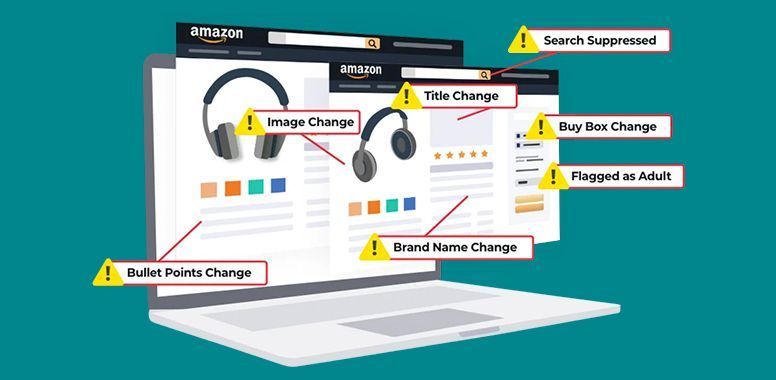
How Brands Can Recover Visibility, Improve SEO, and Restore Sales Momentum on Amazon
March 2, 2026
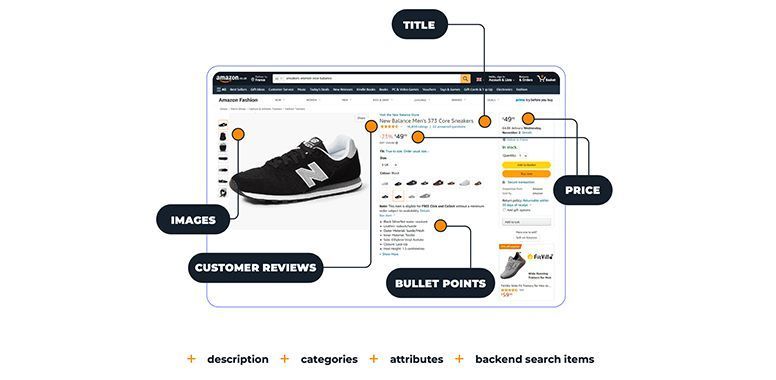
Why Clean, Accurate Catalog Data Is the Secret Weapon Behind High-Performing Amazon Listings

March 2, 2026
Pay-Per-Click Advertising (PPC) advertising has evolved from a simple optional tool into one of the most powerful levers for sellers aiming to thrive on the platform. In 2026, with Amazon's ad revenue surpassing $68 billion annually and competition intensifying across categories, PPC stands out as a wonder because it delivers immediate, measurable results.

March 2, 2026
In 2026, the way people shop has shifted dramatically. After years of economic uncertainty, inflation pressures, and endless options online, consumers are moving away from impulsive, volume-driven purchases toward intentional buying —a mindful approach where every dollar spent must earn its place. According to recent reports from NielsenIQ and other consumer insights, spending is now deeply intentional: shoppers prioritize value, quality, trust, personalization, and alignment with their values over sheer convenience or low prices alone. They ask tougher questions before clicking "Add to Cart": Does this solve a real need? Is it worth the cost? Will it last or deliver tangible benefits? This isn't about buying less for minimalism's sake—it's about buying better , with purpose, to avoid regret, support sustainability where it matters, and maximize satisfaction from each purchase.
Show More