

Amazon's Fee Flip: Decoding the Per-Unit Change and Maximizing Your Profits in 2026!

February 2, 2026

Share this article

Heads up, Amazon sellers! In the ever-evolving world of FBA, staying on top of fee changes is crucial for maintaining profitability. Starting February 15, 2026, Amazon is shaking things up with a shift to per-unit billing for removal and disposal fees.

What does this mean for you? While the underlying fee rates aren't changing, the way you're billed is . This update is all about transparency and giving you a clearer view of your inventory costs. But is it really a game-changer, or just a minor tweak? Let's dive in and uncover how this change impacts your bottom line and how to leverage it for maximum profit!


The Old Way vs. The New Way: What's Changed?

Previously, Amazon removal and disposal fees were charged as a lump sum after the entire removal or disposal order was completed. This made it difficult to track costs accurately across multiple SKUs and fulfillment centers.

Now, with the new per-unit approach, you'll be billed as each item is processed. This provides a more granular view of your expenses and allows for better reconciliation.

Here's a quick breakdown:

  • Old System: Lump-sum billing after order completion.
  • New System: Per-unit billing as each item is processed.

Key takeaway: The total cost remains the same, but the timing of the charges has changed.


Decoding the Details: What You Need to Know

According to Amazon, here are the key details of this update:

  • Per-Unit Charges: Fees are charged per unit at the time each item is removed or disposed of.
  • No Rate Changes: The fee rates themselves remain unchanged. This update is purely about the timing of the charges.
  • Transaction View: You can monitor charges through "Payments > Transaction View" in Seller Central to see unit-level activity.
  • Automatic Update: No action is required from sellers. The update applies automatically to all new orders.

In a nutshell: Amazon is giving you more visibility into your removal and disposal costs without actually increasing the fees.

Why This Matters: The Benefits of Per-Unit Billing

So, why is this change important? Here are a few key benefits for Amazon sellers:

  • Improved Reconciliation: Per-unit billing makes it easier to match costs to specific SKUs and fulfillment centers. This is especially helpful for sellers with high-volume inventory.
  • Better Operational Control: Tracking removal and disposal fees as they occur allows for better operational control and more precise accounting.
  • Enhanced Cash Flow Forecasting: Understanding how removal charges stack up at the unit level helps you forecast cash flow and keep SKU-level profitability in check.
  • Informed Disposal Decisions: Clear unit-level pricing helps you decide when disposal makes financial sense versus long-term storage.

The bottom line: This update empowers you to make more informed decisions about your inventory management and cost control.

Navigating the Numbers: Understanding the Fee Structure

While the fee rates aren't changing, it's still important to understand how they're calculated. Amazon removal and disposal fees are based on the product's size tier and shipping weight.


Here's a general overview:

  • Standard-size items (under 0.5 lb): Typically charged around $1.04 per unit.
  • Oversized and special handling items: Incur higher rates as the weight increases.

Pro Tip: Refer to Amazon's official rate cards to confirm the applicable charges for your specific products.


Actionable Steps: How to Leverage This Change

Now that you understand the per-unit billing update, here are some actionable steps you can take to leverage it for your business:

  • Monitor Transaction View: Regularly check the "Payments > Transaction View" in Seller Central to track your removal and disposal costs at the unit level.
  • Analyze SKU Profitability: Use this data to analyze the profitability of your individual SKUs and identify any underperforming products.
  • Optimize Inventory Management: Implement a robust inventory management system to minimize the need for removals and disposals.
  • Review Disposal Strategies: Evaluate your current disposal strategies and determine if any adjustments are needed based on the new per-unit pricing.
  • Forecast Cash Flow: Incorporate these per-unit charges into your cash flow forecasts to ensure you have sufficient funds to cover your expenses.

Key takeaway: Proactive monitoring and analysis are crucial for maximizing the benefits of this update.


Beyond the Billing: Best Practices for Inventory Management

While the per-unit billing change is important, it's just one piece of the puzzle. Here are some general best practices for effective inventory management on Amazon:

  • Accurate Forecasting: Use historical data and sales trends to accurately forecast demand and avoid overstocking.
  • Strategic Pricing: Implement a dynamic pricing strategy to optimize sales and minimize the risk of aging inventory.
  • Promotional Strategies: Utilize promotions and discounts to clear out slow-moving items before they become subject to long-term storage fees.
  • Efficient Removals: If you need to remove inventory, do it quickly and efficiently to minimize storage costs.
  • Consider Liquidation: If you have unsellable inventory, consider liquidating it through a third-party service to recoup some of your investment.

The big picture: Effective inventory management is essential for maximizing profitability and minimizing the need for removals and disposals.


The Final Word: Embrace Transparency and Optimize Your Operations

Amazon's shift to per-unit billing for removal and disposal fees is a welcome change that provides greater transparency and control over your inventory costs. While the underlying fee rates remain the same, the improved visibility empowers you to make more informed decisions and optimize your operations for maximum profitability.


By understanding the details of this update, monitoring your expenses, and implementing best practices for inventory management, you can navigate the ever-evolving world of Amazon FBA and achieve long-term success.

So, embrace transparency, dive into the data, and take control of your inventory costs! Your bottom line will thank you for it.

CMO: Your Strategic Partner for Amazon Success

At CMO , we understand the intricacies of the Amazon marketplace and the challenges brands face in achieving sustainable growth. Unlike traditional agencies that often delegate your account to junior team members after the initial sales pitch, we operate more like a CPA or law firm. Your senior-level expert remains actively engaged throughout the entire process, providing consistent guidance, strategic insights, and measurable results.

We offer a fractional, scalable solution that allows you to access top-tier Amazon expertise without the overhead of hiring a full-time team. Our services include:

  • Reseller Control: Regain control over your brand and prevent unauthorized sellers from damaging your reputation.
  • Content Optimization: Create compelling and engaging product listings that convert browsers into buyers.
  • Sales Growth Strategies: Implement proven strategies to increase your visibility, drive traffic, and boost sales.


With CMO as your partner, you can finally take control of your Amazon presence, create a stunning brand experience, and achieve sustainable sales growth. We become an extension of your team, providing the expertise and support you need to thrive in the competitive Amazon marketplace. Contact us today to learn more!


Recent Posts

March 3, 2026
Amazon remains one of the most competitive marketplaces in the world, and sellers constantly strive to gain an edge over their competitors. With millions of listings, hundreds of categories, and countless keywords, mastering Amazon SEO has become more crucial than ever before. As we approach 2026, it's clear that the landscape of Amazon search and optimization is evolving, with new algorithms, changing trends, and emerging tools. To stay ahead, you need to refine your Amazon SEO strategy and adopt the latest best practices that will elevate your listings and drive consistent sales.

March 3, 2026
In the highly competitive Amazon marketplace, product images are one of the most powerful tools sellers have at their disposal. While product descriptions and keywords are essential for driving traffic and conversions, images are what often make the first impression on potential buyers. They are not only the first thing shoppers see, but also a primary factor in whether they will click on your listing or scroll past it.

March 2, 2026
Something shifted on Amazon in 2024 that most brands are still catching up to. A shopper opens the Amazon app, types a question – not a product name, not a keyword – and gets back a conversational, AI-generated response that recommends two or three products, explains why each one fits their situation, and sometimes adds a product to their cart on their behalf. No scrolling through pages of results. No comparing titles and star ratings. Just a recommendation from an AI assistant that the shopper trusts enough to act on.

March 2, 2026
For most of 2025, Amazon sellers experienced something rare: a fee freeze. Amazon held its US referral and fulfillment fee rates steady through the year, giving sellers a window to stabilize operations after years of consecutive increases. That window closed on January 15, 2026, when a new fee structure took effect – and the changes were more layered and operationally significant than the headline average of eight cents per unit suggested.

March 2, 2026
For years, Amazon success revolved around one primary objective: rank for keywords.

March 2, 2026
In 2026, Amazon is more automated than ever.
March 2, 2026
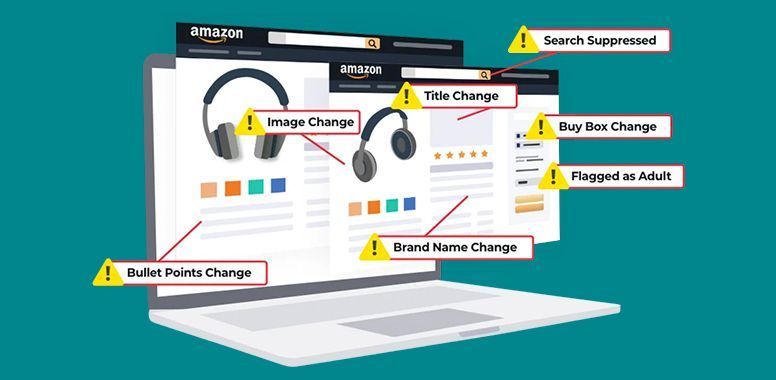
How Brands Can Recover Visibility, Improve SEO, and Restore Sales Momentum on Amazon
March 2, 2026
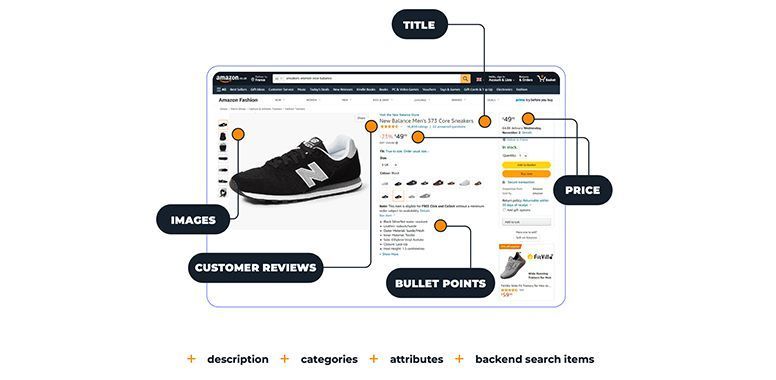
Why Clean, Accurate Catalog Data Is the Secret Weapon Behind High-Performing Amazon Listings

March 2, 2026
Pay-Per-Click Advertising (PPC) advertising has evolved from a simple optional tool into one of the most powerful levers for sellers aiming to thrive on the platform. In 2026, with Amazon's ad revenue surpassing $68 billion annually and competition intensifying across categories, PPC stands out as a wonder because it delivers immediate, measurable results.
March 2, 2026
In 2026, the way people shop has shifted dramatically. After years of economic uncertainty, inflation pressures, and endless options online, consumers are moving away from impulsive, volume-driven purchases toward intentional buying —a mindful approach where every dollar spent must earn its place. According to recent reports from NielsenIQ and other consumer insights, spending is now deeply intentional: shoppers prioritize value, quality, trust, personalization, and alignment with their values over sheer convenience or low prices alone. They ask tougher questions before clicking "Add to Cart": Does this solve a real need? Is it worth the cost? Will it last or deliver tangible benefits? This isn't about buying less for minimalism's sake—it's about buying better , with purpose, to avoid regret, support sustainability where it matters, and maximize satisfaction from each purchase.
Show More