Amazon Vine vs. Early Reviewer Program
Amazon Vine vs. Early Reviewer Program
Which Strategy Builds Social Proof Faster in 2026?
In the hyper-competitive world of Amazon selling, reviews are not just a nice-to-have — they are the single most powerful trust signal that separates a product that converts from one that collects dust. In 2026, with Amazon's AI-driven recommendation engine RUFUS placing increasing emphasis on buyer sentiment and social proof, the pressure to build a credible review base faster than ever before has never been higher.
For brand owners and Amazon sellers, two programs have dominated the conversation around review generation: Amazon Vine and the now-discontinued Early Reviewer Program. Though the Early Reviewer Program was officially retired by Amazon in 2021, we still receive questions about it every week from clients who read older blogs or stumbled onto outdated advice. Understanding the distinction between what was and what is matters because the strategies you build today need to be grounded in reality — not nostalgia.
This post cuts through the noise. We'll explore the origins and mechanics of both programs, compare their outcomes, and give you a clear-eyed view of what Amazon Vine means for your brand's review strategy in 2026 — and why partnering with an expert Amazon agency gives you a measurable edge in executing it.
A Brief History: How Amazon's Review Programs Evolved
Amazon has always understood that customer reviews are the backbone of trust on its marketplace. Long before influencer culture or social commerce, Amazon pioneered the concept of user-generated feedback as a sales tool. But as the platform grew, so did the abuse of the review system — fake reviews, incentivized reviews, and review rings threatened to undermine the integrity of the entire marketplace.
In response, Amazon spent years building and refining legitimate review-generation programs that incentivize honest feedback while removing the seller's ability to influence the outcome. The Early Reviewer Program was one such initiative — a controlled way for new products to gather their first five reviews from verified buyers in exchange for a small Amazon gift card. It was cost-effective, relatively easy to qualify for, and gave emerging brands a fighting chance against established competitors.
However, Amazon discontinued the Early Reviewer Program in April 2021, citing the effectiveness of Amazon Vine as a superior alternative. What remained was a more robust, high-quality review ecosystem built around Vine — and for sellers who know how to leverage it, the results speak for themselves.
The Early Reviewer Program: What It Was and Why It Mattered
Before we move forward, it's worth honoring the Early Reviewer Program for what it was. For many small businesses and first-time Amazon sellers, it offered a crucial leg up. Here's how it worked:
- Cost: A flat fee of $60 per enrolled ASIN.
- Review Volume: Amazon would attempt to gather up to 5 reviews from customers who had already purchased the product.
- Incentive: Eligible reviewers received a small Amazon gift card (typically $1–$3) as a thank-you for leaving honest feedback.
- Eligibility: Products needed fewer than 5 reviews and had to be sold directly by the brand.
- Content Quality: Reviews tended to be brief, averaging 1-3 sentences, and while genuine, often lacked the depth that influences sophisticated shoppers.
The program was particularly valuable for products in niche categories where organic review velocity was slow. A handful of reviews could mean the difference between appearing credible and being completely invisible to shoppers comparing options.
Its discontinuation left a gap, especially for newer sellers. Many scrambled to find alternatives, some of which were not compliant with Amazon's terms of service. This is a critical point: in the post-Early Reviewer era, it became even more important to work within Amazon's sanctioned programs rather than risk account suspension by cutting corners.
Amazon Vine: The Gold Standard for Review Generation in 2026
Amazon Vine is the successor to — and significant upgrade over — the Early Reviewer Program. Launched broadly for third-party sellers after the Early Reviewer Program's retirement, Vine has become the premier legitimate review-generation tool available on the platform. Here is everything you need to know:
How Amazon Vine Works
Amazon Vine invites a curated community of trusted reviewers — known as Vine Voices — to receive free products in exchange for honest, unbiased reviews. These Vine Voices are not chosen by the seller. Amazon selects them based on their review history, the helpfulness ratings they have received from other shoppers, and their expertise in specific product categories.
As a seller, you enroll your ASIN into the Vine program through Seller Central. You provide the product for free to the Vine Voices who select it, and Amazon facilitates the entire transaction. You cannot communicate with reviewers, influence their opinion, or choose who reviews your product. The result is an authentic, verified review that Amazon prominently labels with a green "Vine Voice" badge — a trust signal that shoppers have come to recognize and respect.
Eligibility Requirements for Amazon Vine in 2026
- Brand Registry: You must be enrolled in Amazon Brand Registry. This is non-negotiable.
- FBA: Your product must be fulfilled by Amazon (FBA). Merchant-fulfilled products are not eligible.
- Review Threshold: Products with fewer than 30 reviews qualify. Once you reach 30 reviews organically, you are no longer eligible to enroll that ASIN.
- Active Listing: The product must be live, buyable, and have sufficient inventory to fulfill Vine reviewer requests.
- Category Restrictions: Adult products, digital products, and certain hazardous items are excluded.
Cost Structure
As of 2026, Amazon charges $200 per ASIN enrolled in Vine. This fee is charged after the first review is published. While this represents a higher upfront cost than the Early Reviewer Program's $60 fee, the return on investment is substantially greater when the program is executed correctly. Thirty high-quality, detailed reviews from credible Vine Voices can dramatically accelerate a product's conversion rate and organic ranking — often within the first 60 days of launch.
It is also worth noting that Amazon periodically runs promotions where Vine enrollment is offered at reduced or zero cost for select ASINs. Staying close to these opportunities — which an experienced agency tracks on your behalf — can represent significant savings, particularly for sellers managing large catalogs.
Head-to-Head: Amazon Vine vs. Early Reviewer Program
For context and historical clarity, here is a direct comparison of both programs:
| Feature | Amazon Vine | Early Reviewer Program |
|---|---|---|
| Status in 2026 | Active & Available | Discontinued (2021) |
| Cost to Seller | $200 per ASIN enrolled | Was $60 per ASIN |
| Review Volume | Up to 30 reviews | Up to 5 reviews |
| Reviewer Pool | Amazon-selected Vine Voices | Verified purchasers |
| Speed to Reviews | 4–8 weeks avg. | N/A |
| Product Requirement | FBA + Brand Registry | Required purchase |
| Content Quality | Detailed, long-form | Brief, purchase-based |
| Best For | New or relaunched ASINs | No longer available |
The table above makes one thing clear: Amazon Vine is not simply a replacement for the Early Reviewer Program — it is a fundamentally superior mechanism for building social proof. The volume of reviews, the quality of feedback, and the credibility conferred by the Vine Voice badge all contribute to a stronger listing that converts at a higher rate.
Why Amazon Vine Reviews Convert Better
Not all reviews are created equal. Amazon's algorithm — and more importantly, Amazon shoppers — can distinguish between a cursory two-sentence review and a detailed, nuanced assessment that addresses real product features, use cases, and performance.
Vine Voices are trained reviewers. They are selected because they write well, review frequently, and provide value to other shoppers. The reviews they leave tend to be substantially longer, more detailed, and more balanced than the average customer review. They often include photographs and videos, address common questions, and provide comparisons to competing products.
From a conversion optimization standpoint, this matters enormously. When a new shopper lands on your listing and scrolls through the review section, they are conducting due diligence. Detailed, credible reviews that address their unspoken concerns can be the deciding factor between an add-to-cart and a back button. Vine reviews consistently outperform average organic reviews on this dimension.
The SEO Impact of Amazon Vine
There is an important but often overlooked connection between Amazon Vine and your product's organic search ranking. Amazon's A10 algorithm — the current iteration of the search ranking model as of 2026 — weighs conversion rate, review velocity, and review quality as significant ranking factors. A product that begins generating high-quality reviews within its first 30–60 days sends a powerful signal to Amazon's algorithm that it deserves higher placement in search results.
This creates a virtuous cycle: Vine reviews drive early conversions, conversions boost your BSR and organic rank, higher rank drives more traffic, more traffic drives more sales and more organic reviews, and the product gains self-sustaining momentum. For new product launches, Amazon Vine is often the catalyst that starts this cycle.
Without that catalyst, new products frequently stall in the lower pages of search results, where traffic is negligible and sales are near-zero. The $200 Vine enrollment fee, viewed through this lens, is not simply a cost — it is an investment in breaking out of search obscurity.
Common Mistakes Sellers Make With Amazon Vine
Despite the program's effectiveness, many sellers fail to get the most out of Amazon Vine. Here are the most common mistakes we see — and how to avoid them:
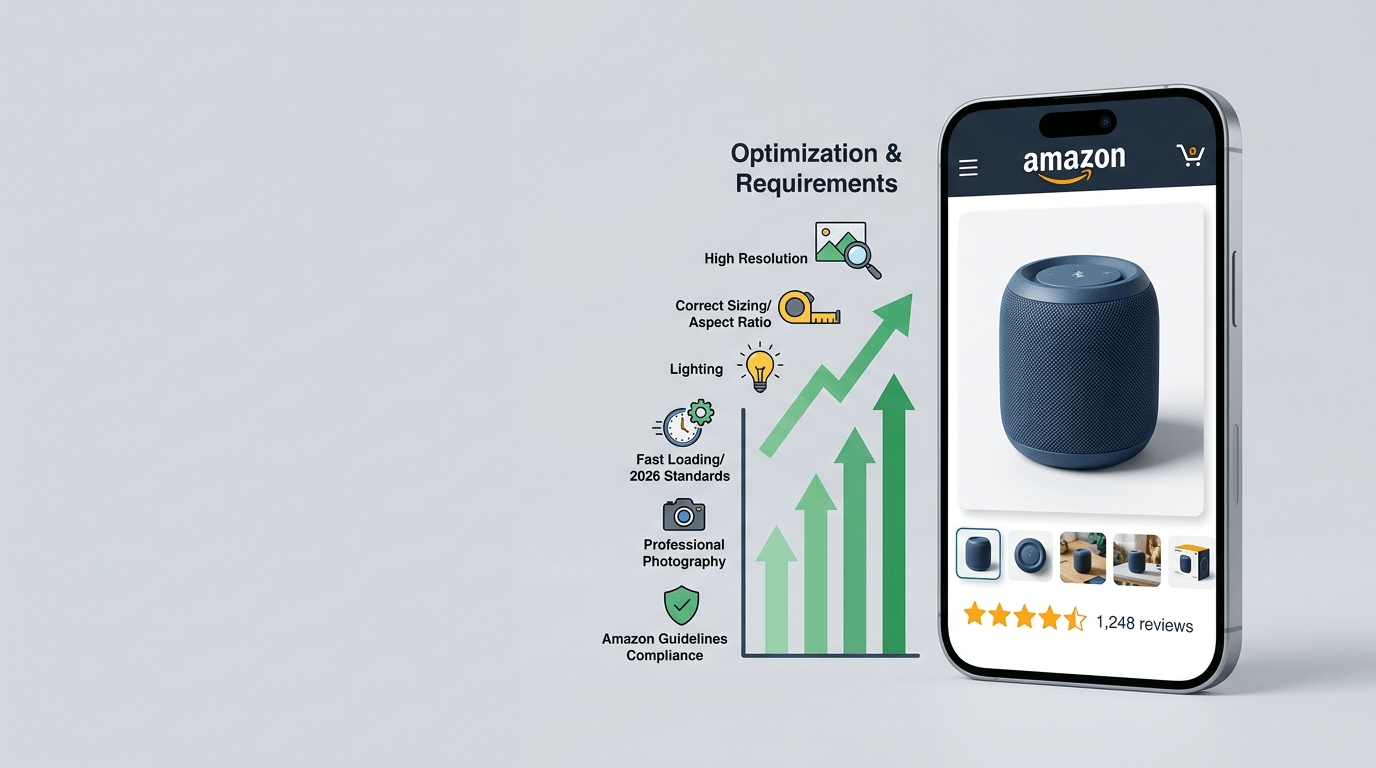
- Enrolling Before the Listing Is Optimized: Vine reviews are permanent. If a Vine Voice receives your product before your title, images, and A+ content are fully optimized, the review will reference a subpar version of your listing. Always ensure your listing is 100% complete before enrolling.
- Insufficient Inventory: If Vine Voices select your product but you run out of stock before they receive it, you waste your enrollment fee and potentially damage your listing metrics.
- Enrolling Low-Quality Products: Vine Voices are honest reviewers. If your product has quality issues, they will say so — loudly and in detail. Vine is not a mechanism for salvaging a flawed product. Ensure your product quality is strong before enrolling.
- Ignoring Vine Reviews Post-Publication: Vine reviews are a goldmine of customer feedback. Use them to identify product improvement opportunities, listing gaps, and messaging refinements.
- Neglecting Post-Vine Strategy: Vine provides the foundation — up to 30 reviews. Your strategy for continuing to build reviews organically through the "Request a Review" button, follow-up sequences, and insert cards (compliant ones) needs to be in place before Vine reviews start to age.
Alternatives and Complements to Amazon Vine in 2026
While Amazon Vine is the most powerful review-generation tool available through official channels, it exists within a broader ecosystem of review and social proof strategies. Smart sellers use Vine as part of a multi-layered approach:
- Amazon's "Request a Review" Button: Available in Seller Central for every order, this one-click feature sends an Amazon-templated review request to buyers. It is 100% compliant and, when activated consistently, can generate significant organic review volume over time.
- Amazon Follow-Up Sequences via Compliant Third-Party Tools: Tools like Jungle Scout, Helium 10, and Feedback Whiz allow sellers to send compliant post-purchase follow-up emails. These cannot solicit positive reviews specifically, but they can invite customers to share their experience — which often results in reviews.
- Amazon Posts and A+ Content: While not directly tied to review generation, strong brand storytelling through Posts and A+ Content increases buyer confidence, which correlates with higher review rates from satisfied customers.
- External Traffic Strategies: Driving external traffic from social media, email lists, and influencer partnerships to your Amazon listing can increase review velocity through higher sales volume — provided that traffic is genuinely interested in your product.
How Our Agency Maximizes Amazon Vine ROI
At our agency, Amazon Vine enrollment is never treated as a box-checking exercise. It is a strategic decision embedded within a comprehensive product launch or relaunch plan. Here is what that looks like in practice:
- Pre-Enrollment Listing Audit: Before we touch Vine, we audit every element of the listing — title keyword alignment, image quality and sequencing, bullet point clarity, A+ content completeness, and pricing competitiveness. Vine reviews will reference your listing as it exists at enrollment. We ensure it is flawless.
- Inventory Alignment: We coordinate with your operations team to ensure you have sufficient FBA inventory to fulfill Vine requests and sustain organic sales momentum once reviews begin driving increased traffic.
- Category-Specific Reviewer Selection Insights: While sellers cannot choose their Vine Voices, understanding the profile of reviewers active in your category helps us craft listings that speak to their review criteria — increasing the likelihood of thorough, positive assessments.
- Post-Vine Review Monitoring: We monitor Vine reviews in real time and flag any feedback that reveals listing gaps, product issues, or competitive opportunities. This intelligence informs both listing optimization and product development decisions.
- Integrated Review Velocity Plan: We build a 90-day post-Vine review velocity plan that layers in compliant organic review strategies so that your listing continues to grow credibility long after the Vine program concludes.
The Bottom Line: What Brands Need to Know in 2026
The Early Reviewer Program is gone, and it is not coming back. Nostalgia for its lower price point is understandable, but the Amazon of 2026 demands a more sophisticated approach to social proof.
Amazon Vine, when executed correctly, is one of the highest-ROI investments a brand can make in the first 90 days of a product's life on the platform. The $200 enrollment fee is modest compared to the conversion lift, ranking acceleration, and brand credibility that come from 20–30 high-quality Vine reviews on a fully optimized listing.
The risk is not in using Amazon Vine — the risk is in using it wrong. Enrolling too early, with an unoptimized listing, insufficient inventory, or a product that is not ready for scrutiny, can result in negative reviews that are impossible to remove and devastating to a launch.
That is precisely why brands choose to work with an experienced Amazon agency. We have executed hundreds of Vine campaigns across categories ranging from consumer electronics to home goods to nutritional supplements. We know what works, what doesn't, and how to position your brand for maximum social proof velocity in the most efficient way possible.
Ready to build a review strategy that accelerates your Amazon growth? Contact our team today for a complimentary listing audit and Vine readiness assessment.

William Fikhman is the founder of Chief Marketplace Officer (CMO), a fractional Amazon executive agency based in Los Angeles, California. He began selling on Amazon in 2009, scaling to $5M in year one and $20M+ within two years. Over 16 years, William has managed Amazon operations for more than 100 consumer brands, overseeing $300M+ in marketplace revenue across Seller Central and Vendor Central. He founded CMO to give consumer brands access to senior-level Amazon leadership on a fractional basis — without the cost of a full-time hire or the limitations of a traditional agency. William specializes in brand protection, distribution control, Amazon PPC strategy, and marketplace operations.
Connect on LinkedIn
|
Book a consultation
Recent Posts