
Optimize Your Listings with Amazon Search Terms: A Step-by-Step Approach

Author name

As an Amazon seller, improving your product listings with backend keywords or search terms, is important to boost your visibility on Amazon’s search engine result pages (SERPs). These keywords aren’t visible to customers, but they play a crucial role in helping Amazon's algorithm understand the relevance of your products.


Most sellers focus on the keywords that shoppers see, but backend search terms work behind the scenes to drive sales and improve search rankings. This dual approach of using both visible and hidden keywords is essential for a solid SEO strategy.


In this article, we’ll explore how to use backend keywords to boost your sales. We’ll cover how to find these keywords, make sure they’re indexed by Amazon, and how to incorporate them effectively without sacrificing the quality of your product listing. By following these steps, you can increase your product's visibility and ranking, ultimately driving more traffic and sales.


Hold on, what exactly are backend keywords?


Backend search terms, or meta tags, are hidden keywords that Amazon sellers add to their product listings to enhance visibility and ranking on Amazon’s search engine result pages (SERPs).

These keywords are not seen by customers but play a crucial role in helping products appear in a broader range of search queries. By using backend keywords strategically, sellers can avoid cluttering their listings with excessive keywords while still targeting relevant search terms. 

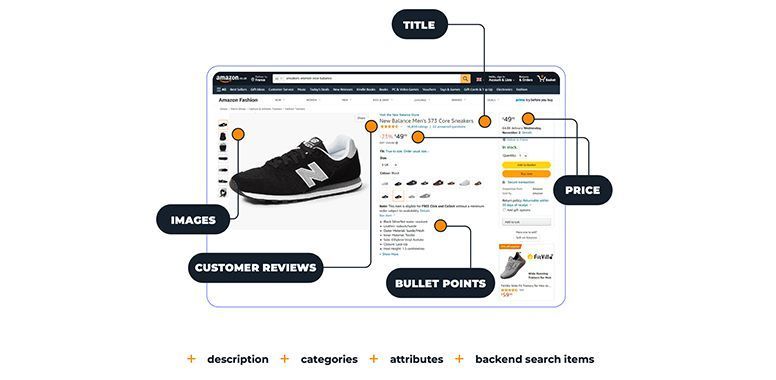
Amazon provides an easy way to manage these keywords through Seller Central, where sellers can add or adjust them under the Keywords tab in the Manage Inventory section. It's important to stay within the 250-byte limit for these keywords to ensure they are indexed properly.

By incorporating well-researched backend keywords, sellers can improve their chances of appearing in top search results, thus increasing visibility and potential sales. Balancing these keywords with engaging titles, bullet points, and clear product descriptions ensures a comprehensive SEO strategy that aligns with Amazon’s guidelines and enhances overall product appeal.


What strategies can we execute to get these keywords?

To create an effective Amazon SEO strategy, it's essential to begin with comprehensive keyword research. This process helps you understand what Amazon customers are actively searching for. 

By William Fikhman December 2, 2025
Selling on Amazon is like competing in a bustling marketplace where millions of sellers are shouting for attention. So, how do you make sure your product gets heard above the noise? The secret lies in mastering Amazon SEO — optimizing your product listings so they rank higher and attract more buyers. If you want to boost your visibility and skyrocket your sales, here are 7 smart ways to improve your product’s search rankings and win big on Amazon. 1. Nail Your Product Title with the Right Keywords Think of your product title as your billboard on Amazon’s highway. It needs to grab attention and tell both shoppers and Amazon exactly what you’re offering. Use relevant keywords that customers actually type. Include vital info like brand, product type, color, size, and quantity. Keep it readable and avoid stuffing it with too many keywords. Example: Instead of repeating “Wireless Bluetooth Headphones” over and over, try “Wireless Bluetooth Headphones with Noise Cancelling, Over-Ear, 20 Hours Battery Life.” 2. Maximize Backend Search Terms Amazon lets you add hidden keywords behind the scenes—use these wisely! Don’t repeat keywords already in visible fields. Add synonyms, alternate spellings, and related terms. Avoid brand names or competitor keywords. This little-known trick helps your product pop up in more relevant searches without cluttering your listing. 3. Write Descriptions That Sell (and Rank) Your product description is your sales pitch. Make it count! Naturally sprinkle in secondary keywords. Focus on benefits and features that solve customer problems. Use bullet points for easy scanning. A compelling description not only helps Amazon’s algorithm but convinces shoppers to click “Buy Now.” 4. Use Stunning, High-Quality Images While images don’t directly influence search rankings, they power up your conversion rates, which matters. Show your product from multiple angles. Use lifestyle shots to help customers envision using it. Follow Amazon’s image requirements for best results. Great images grab attention and help turn browsers into buyers. 5. Cultivate Positive Reviews and Feedback Reviews build trust and influence rankings. Encourage genuine reviews through Amazon’s “Request a Review” feature. Address negative reviews professionally. Deliver excellent product quality and customer service. More positive reviews mean better rankings and more sales. 6. Price Smart and Run Promotions Price and sales velocity are big ranking factors. Stay competitive but protect your margins. Use deals and coupons to drive quick sales. Winning the Buy Box can massively boost your visibility. Strategic pricing helps your product climb the search results ladder. 7. Track Performance and Adapt Fast Keep your finger on the pulse with data. Use Amazon Seller Central’s analytics to monitor impressions, clicks, and sales. Tweak keywords and content based on what the data tells you. Stay agile and update listings as customer trends shift. Continuous improvement is the key to long-term success. Final Thoughts: Your Secret Weapon for Amazon Success Amazon SEO isn’t a one-time fix—it’s a dynamic, ongoing strategy that blends smart keyword use, killer content, customer engagement, and savvy pricing. When done right, your products don’t just get seen—they get sold. This is where CMO comes in as your game-changing partner . Unlike most agencies that hand you off from the top expert to junior staff, CMO works more like your trusted CPA or law firm. Your senior advisor stays with you throughout, meets regularly, and delivers real results — all on a fractional basis. With CMO by your side, your brand gains control over resellers and content, looks fantastic on Amazon, and most importantly, grows sales. CMO doesn’t just support your Amazon business—they become a seamless part of your team. Ready to take your Amazon SEO to the next level? Let’s connect and get your product ranking where it deserves to be!
By William Fikhman December 2, 2025
In the dynamic world of Amazon selling, standing out is no small feat. With millions of products competing for buyer attention, sellers need every advantage they can get to increase visibility, build trust, and drive sales. Two of the most powerful tools available to Amazon sellers are Fulfillment by Amazon (FBA) and Amazon Ads . While each is valuable on its own, combining them strategically creates a winning formula that can accelerate growth, maximize conversions, and build a sustainable brand. In this post, we’ll explore what makes FBA and Amazon Ads so effective, why they work better together, and how you can optimize both to dominate your niche. Whether you’re new to Amazon or looking to scale your existing business, this guide will help you harness the full power of these tools. What is Fulfillment by Amazon (FBA)? Fulfillment by Amazon is a service where Amazon takes care of storing your inventory, picking, packing, shipping products to customers, and handling customer service and returns. This outsourcing of logistics allows sellers to focus on sourcing, branding, and marketing their products without worrying about the complexities of fulfillment. Key Benefits of FBA: Prime Eligibility: FBA products automatically become Prime-eligible, giving buyers access to fast, free shipping. Since millions of Amazon shoppers filter for Prime items, this eligibility is a major sales booster. Reliable Fulfillment: Amazon’s world-class warehouse and delivery network ensures quick, reliable shipping, which enhances customer satisfaction and reduces negative reviews. Customer Trust: Prime badges and Amazon’s handling of returns increase buyer confidence, making customers more likely to purchase from FBA sellers. Focus on Growth: By delegating fulfillment, sellers can concentrate their efforts on product development, marketing, and expanding their catalog. What Are Amazon Ads? Amazon Ads is a suite of advertising solutions designed to increase product visibility on Amazon’s platform and beyond. These ads appear in search results, product detail pages, and even outside Amazon through display networks. Main Types of Amazon Ads: Sponsored Product Ads: These ads promote individual products and appear in search results and product pages. They are keyword-targeted and highly effective at driving traffic and conversions. Sponsored Brands Ads: Showcasing your brand logo and multiple products, these ads help build brand awareness and drive shoppers to your Amazon Store or a custom landing page. Sponsored Display Ads: These ads retarget shoppers on and off Amazon, helping you re-engage interested buyers and boost conversions. Amazon Ads help sellers capture shopper attention at the moment of intent, increasing the likelihood of clicks and purchases. Why Combine FBA and Amazon Ads? While FBA ensures your products reach customers quickly and reliably, Amazon Ads bring those customers to your listings. Combining these two creates a powerful synergy that enhances both visibility and conversion. Here’s why this combo works so well: 1. Increased Conversion Rates Fast shipping and reliable fulfillment are critical to shopper satisfaction. When your ads attract clicks, customers are more likely to buy if they know they’ll get their products quickly with Amazon’s trusted service. FBA’s Prime badge and return policies increase buyer confidence, boosting conversion rates on your ads. 2. Higher Organic Rankings Amazon’s search algorithm favors products with strong sales velocity and positive customer experiences. Running ads to drive sales can improve your organic ranking, making your products more visible even without paid ads. This creates a virtuous cycle where ads fuel sales and sales boost organic rank. 3. Improved Customer Experience Using FBA means Amazon handles customer service and returns professionally. Happy customers leave positive reviews, leading to better rankings and more sales. Ads amplify this effect by showcasing your products to relevant audiences. 4. Competitive Edge Prime-eligible products are more attractive to millions of shoppers who prioritize fast shipping. Ads featuring FBA products stand out in search results, helping you win more Buy Boxes and outperform competitors who fulfill orders themselves. How to Optimize Your Strategy: Best Practices for Combining FBA and Amazon Ads Amazon’s official advertising guide on combining FBA and Ads offers valuable insights. Here’s how to implement these strategies effectively: 1. Ensure Your Inventory is FBA-Eligible Before investing in ads, make sure your products are fulfilled by Amazon. This primes your listings for better conversion and visibility. If you’re currently fulfilling orders yourself, consider transitioning to FBA to unlock these advantages. 2. Launch Sponsored Product Ads with Targeted Keywords Sponsored Product ads are the backbone of Amazon advertising. Use keyword research tools to identify high-converting keywords relevant to your product. Start with a mix of broad, phrase, and exact match types, then refine based on performance data. Focus your budget on keywords that generate clicks and conversions. Monitor your campaigns regularly and adjust bids to maximize return on ad spend (ROAS). 3. Expand Reach with Sponsored Brands and Display Ads Once you have traction with Sponsored Product ads, consider adding Sponsored Brands ads to promote your entire product line and build brand recognition. Sponsored Display ads are great for retargeting shoppers who viewed but didn’t purchase, helping you recover lost sales. 4. Monitor and Manage Inventory Levels Running ads on out-of-stock products wastes money and damages your ranking. Use Amazon’s inventory tools to track stock levels and restock proactively. If inventory is low, consider pausing ads temporarily. 5. Optimize Product Listings Your product listings should complement your ads. Use clear, keyword-rich titles, compelling bullet points, and persuasive descriptions. High-quality images and videos enhance conversions. The better your listing, the more effective your ads will be. 6. Analyze Performance and Adapt Amazon provides detailed advertising reports on impressions, clicks, cost, and sales. Use these insights to identify what’s working and what isn’t. Test different creatives, keywords, and targeting options to continually improve. Real-World Success Stories Many sellers have reported dramatic growth by combining FBA and Amazon Ads: Higher Sales Velocity: Ads bring in new customers quickly, and FBA ensures they receive their products fast, encouraging repeat purchases. Better Buy Box Win Rates: Prime eligibility and increased sales help sellers win the Buy Box more often, increasing sales even without ads. Brand Building: Sponsored Brands ads paired with FBA’s reliable fulfillment help sellers establish strong brand presence and customer loyalty. Common Pitfalls to Avoid To get the most from this strategy, watch out for these mistakes: Ignoring Inventory Management: Running out of stock during ad campaigns can stall momentum and hurt rankings. Overbidding on Low-Converting Keywords: Monitor your ad spend closely to avoid wasting budget. Neglecting Listing Quality: Ads drive traffic, but poor listings lose customers. Invest in listing optimization. Not Using Data: Failing to analyze and adjust campaigns limits growth potential. Final Thoughts: Make CMO Your Partner for Amazon Growth Amazon SEO and advertising are complex, competitive fields. To truly succeed, you need a partner who understands the nuances of both fulfillment and advertising. That’s where CMO steps in. Unlike many agencies that pass you from expert to junior team member, CMO works like your trusted CPA or law firm. Your senior advisor stays actively involved, meets regularly, and delivers measurable results—all on a fractional basis. This structure means your brand gains consistent control over resellers and content, looks amazing on Amazon, and drives sales growth. CMO becomes a seamless extension of your team, helping you master the powerful combination of FBA and Amazon Ads to unlock your brand’s full potential. Ready to Scale Your Amazon Business? Combining Fulfillment by Amazon with targeted Amazon Ads is one of the smartest strategies for sellers aiming to grow. By leveraging Amazon’s fulfillment infrastructure and advertising platform together, you create a cycle of increased visibility, higher conversions, and better rankings. If you want expert guidance on launching ads, optimizing your FBA strategy, or managing your Amazon presence, let’s connect. Your success on Amazon starts with the right strategy—and the right partner.