
Surefire Ways to Boost Your Sales this Holiday Season in Amazon

Author name

Plan Early, Stock Smart, and Fulfill Seamlessly

High sales during the holidays is feasible with advanced planning. Start planning earlier to avoid last-minute surprises.

With ongoing global supply chain disruptions, expect delays to worsen during the peak season. Coordinate with your supplier to secure additional inventory and account for extended freight and production timelines.

Review your fulfillment strategy. FBA offers Prime delivery, boosting sales, but higher storage fees require careful inventory planning. If concerned about fees, consider self-fulfillment, but note that skipping Prime eligibility could lead to missed sales opportunities.


Optimize Product Listings

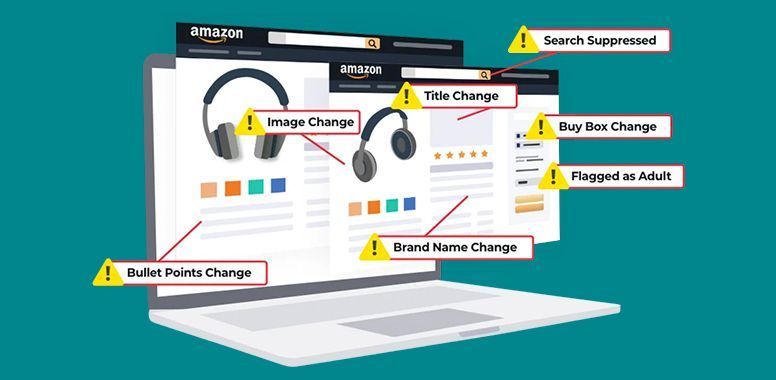
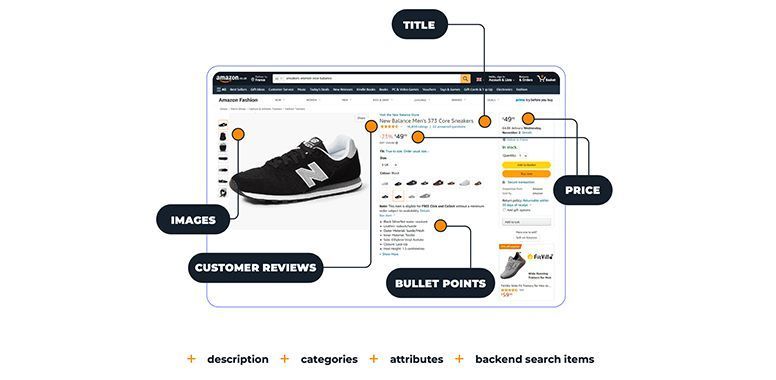
After finalizing your plan and securing sufficient inventory, focus on optimizing your product listings. 

Review each listing to ensure you're using the right keywords. Test and refine product photos, titles, and descriptions with A/B testing to maximize clicks and conversions. Experiment with different main images and titles until you find the most effective combination.

If you're a brand-registered seller, enhance your A+ content by updating it with relevant branding and seasonal themes. Additionally, ensure your listings are fully optimized for mobile devices to capture a broader audience.


Experiment with Trends & Products

Amazon’s marketplace is constantly evolving, so regular innovation and portfolio expansion are essential for success.

To boost reach and revenue, focus on adding new products that align with changing consumer demands. Conduct thorough product research to stay ahead and maximize profitability. Monitor current trends to identify potential products to add to your inventory, and have them listed before the holiday rush. 

Stay updated on trends by checking Amazon’s best-sellers list, filtered by category for targeted insights. And, ensure your products have a strong review base. Reviews significantly impact visibility, conversions, and sales rank. 


Start PPC Campaigns Early for Maximum Impact


With e-commerce growth, standing out on Amazon is harder than ever. To boost sales during the holidays, launch your PPC campaigns months in advance. 

Run both automatic and manual campaigns to gather data and refine your strategy before the season. Automatic campaigns help identify high-converting keywords, while manual campaigns offer more control.

As your data comes in, optimize by marking non-converting keywords as negative to save on ad spend, and move top-performing keywords to manual campaigns for better targeting.


Boost Brand Awareness

Brand awareness is a top priority in PPC campaigns if you are a private label. Use Sponsored Brand ads to showcase your logo, a custom headline, and up to three products.

Bidding on competitors' brand names and ASINs also helps drive traffic to your listings. But, remember to protect your customer base by bidding on your own brand name to boost engagement.

You can also expand your reach on social media by partnering with influencers and promoting your offers.


Stay on Top of Inventory Management

Plan wisely to maximize profits and secure the Buy Box!

With surging demand during the season, especially for FBA sellers, accurate inventory forecasting is critical. The technique? Use your past sales data and Amazon inventory reports to predict demand and keep in mind that sales often rise by 30–50% by this time.

Avoid overstocking to reduce storage fees and understocking to prevent lost sales and lower rankings. 


Maximize Sales with Smart Promotions

Boost your sales by planning promotions and holiday bundles in advance. 


Ensure your offers align with your profit margins, and launch bundles a few weeks before key holidays to build traction and maximize results. 


Early preparation is key to driving sales and boosting profits!


Need Help with Your Strategy?


As brand management experts for Amazon sellers, we’re here to optimize your listings, campaigns, and inventory strategy for peak performance. 


Let
CMO handle the hard work while you focus on growth. Contact us here or book a zoom call  today. Together, we’ll drive your business to success! 

Amazon package with Prime tape and logo.
By William Fikhman February 2, 2026
From the inside, Amazon looks manageable. Listings are live. Ads are running. Sales are steady. On the surface, everything appears fine. From the outside—from an agency’s vantage point—it rarely is. That gap between perception and reality is where most Amazon growth stalls. Not because brands aren’t working hard, but because they’re too close to the machine to see where it’s leaking. Agencies don’t see Amazon the way brands do. They see patterns. Brands See Their Catalog. Agencies See the System. Most brands evaluate Amazon one SKU at a time: Is this listing converting? Is this keyword ranking? Is this campaign profitable? Agencies zoom out. They see how: One weak image suppresses an entire category One inconsistent title structure confuses AI systems One risky compliance shortcut creates long-term fragility One misaligned SKU drags down brand trust across the catalog Brands optimize pieces. Agencies optimize interactions . That difference changes everything. Brands See Performance. Agencies See Signal Quality. A brand sees: Clicks ACOS Sessions Revenue An agency asks: Why did the click happen? What signal did that click send to Amazon? Did the shopper hesitate? Did the listing reinforce intent—or dilute it? Did the ad amplify clarity—or expose confusion? Two brands can have identical metrics and wildly different futures. Because Amazon doesn’t reward activity. It rewards confidence signals . Agencies are trained to read those signals early—before performance drops show up in reports. Brands Fix Symptoms. Agencies Diagnose Structure. When sales dip, brands often react tactically: Add more keywords Increase bids Swap images Rewrite bullets Launch promos Agencies step back and ask a harder question: “What’s structurally misaligned?” Is the listing trying to serve too many use cases? Is the imagery saying one thing while the copy says another? Is the brand positioning inconsistent across SKUs? Is the catalog teaching Amazon what the brand isn’t ? Most Amazon problems don’t need more effort. They need better alignment. Brands Think Like Sellers. Agencies Think Like Amazon. This is the blind spot that matters most. Brands think: “How do I sell this product?” Agencies think: “How does Amazon decide when to show, trust, and recommend this product?” That mindset shift changes how everything is built: Titles are written for interpretation, not stuffing Images are designed for recognition, not decoration A+ content resolves doubt instead of adding features Ads reinforce positioning instead of chasing volume Agencies don’t optimize for Amazon. They optimize with Amazon’s decision logic in mind. Brands See Today. Agencies See the Compounding Effect. Small inconsistencies feel harmless in isolation. Agencies see how they compound: Slight messaging drift becomes brand confusion Minor policy risks become account fragility Inconsistent visuals weaken AI confidence Short-term wins erode long-term authority Amazon rewards brands that behave predictably over time. Agencies are paid to protect that predictability—even when it means saying no to short-term gains. Brands Focus on What’s Visible. Agencies Focus on What’s Silent. Some of the most dangerous Amazon problems don’t announce themselves. Agencies notice: When conversion friction increases before revenue drops When AI visibility softens without ranking loss When shoppers hesitate instead of bouncing When ads prop up listings that should stand on their own Silence on Amazon is rarely neutral. It’s usually a warning. Why This Perspective Gap Exists Brands live inside their product. Agencies live across hundreds of catalogs, categories, and outcomes. That exposure builds pattern recognition brands can’t develop alone—no matter how smart or experienced they are. It’s not about effort. It’s about distance. From Clicks to Conversions: Partner With Experts Who See the Whole Board At Chief Marketplace Officer , we don’t just execute tasks—we interpret systems. We see Amazon the way it actually works, not the way it appears from inside a single brand. Our team of Amazon specialists: Identifies structural issues before they show up in performance reports Aligns images, copy, ads, and A+ into one clear decision signal Designs listings for AI interpretation and human confidence Protects brand trust while scaling visibility and revenue Amazon sellers don’t fail because they don’t work hard. They stall because they can’t see what’s holding them back. That’s where we come in. Ready to Turn Browsers Into Buyers? 👉 Book Your Strategy Call with CMO Now Final Thoughts Most Amazon problems aren’t obvious. They’re systemic. And the hardest part isn’t fixing them—it’s recognizing them. Agencies don’t have better ideas because they’re smarter. They have a better perspective because they’re farther away. On Amazon, distance creates clarity. And clarity is what unlocks scale. Because the brands that win aren’t the ones doing more. They’re the ones finally seeing what’s been there all along.
Laptop screen with Amazon Seller Central logo, Account Health Auditing progress bar. Shopping bags, shopping cart.
By William Fikhman February 2, 2026
After a few Amazon audits, you start spotting mistakes. After a few dozen, you recognize trends. After hundreds, you stop looking at tactics altogether. You start seeing systems. At scale, Amazon success isn’t about clever tricks or isolated optimizations. It’s about how well a brand aligns with how Amazon evaluates , trusts , and recommends products over time. And after auditing hundreds of Amazon brands across categories, price points, and maturity levels, the lessons are surprisingly consistent. Most Brands Aren’t Broken—They’re Misaligned Very few brands we audit are “bad.” Many are talented. Well-funded. Experienced. But they’re misaligned. Their listings say one thing while their images imply another. Their ads chase keywords their listings can’t support. Their A+ content adds information but removes clarity. Their catalog grows without a unifying logic. On Amazon, misalignment doesn’t just slow growth—it quietly erodes trust. And trust is the currency Amazon cares about most. Conversion Problems Rarely Start With Copy Brands often assume low conversion is a wording issue: “We need stronger bullets.” “We need better keywords.” “We need more benefits.” But audits show something different. Conversion issues usually start before the copy: Images that don’t instantly define the product Main images that blend into the search results Visual stacks that force interpretation Use cases that aren’t obvious at a glance When shoppers hesitate visually, copy never gets a chance to work. High-performing brands don’t persuade harder—they clarify sooner. Most Listings Try to Say Too Much One of the most common audit findings is over-communication. Brands try to: Serve every use case Appeal to every audience Capture every keyword Preempt every objection The result is a listing that feels busy, vague, and exhausting. Amazon—and shoppers—reward decisiveness. Listings that win audits usually: Commit to a primary outcome Clearly define who the product is for Make tradeoffs obvious instead of hidden Remove unnecessary options Clarity isn’t restrictive. It’s liberating. Ads Expose Listing Weakness Faster Than Anything Else PPC performance is one of the fastest diagnostic tools in an audit. When ads struggle, it’s rarely because: Bids are too low Keywords are wrong Campaigns aren’t complex enough It’s because the listing can’t convert the promise the ad makes. Audits repeatedly show: High CPCs tied to unclear positioning Poor ROAS driven by visual mismatch Wasted spend propping up structurally weak listings Ads don’t fix problems. They reveal them. Brand Consistency Is the Hidden Growth Lever Across hundreds of audits, one pattern stands out clearly: Brands that scale smoothly feel predictable . Not boring—predictable. Their: Titles follow a consistent logic Images reinforce the same promise A+ content repeats—not reinvents—the story Reviews validate the same outcomes Catalog feels intentional, not accidental This predictability makes Amazon confident recommending them. Inconsistent brands don’t just confuse shoppers. They confuse the algorithm. Compliance Issues Are Usually Design Problems Most compliance risks we uncover aren’t malicious or careless. They’re structural. Claims hidden in images. Implications buried in icons. Language that feels “safe” in isolation but risky in context. Brands focus on policy rules . Audits reveal the importance of policy interpretation . Listings that feel restrained, clear, and factual convert better and survive longer. Compliance isn’t the enemy of creativity. It’s the framework that protects scale. The Best Brands Think Like Teachers After hundreds of audits, one truth becomes obvious: The strongest Amazon brands teach instead of sell. They: Explain what the product does in plain language Guide shoppers toward the right choice Reduce comparison fatigue Set expectations honestly Let confidence replace hype As Amazon leans further into AI-driven discovery and decision support, this teaching mindset becomes a competitive advantage. Amazon doesn’t promote confusion. It promotes understanding. From Clicks to Conversions: Partner With Experts Who See the Patterns At Chief Marketplace Officer , we don’t audit to generate checklists—we audit to reveal systems. Our experience across hundreds of Amazon brands allows us to see: What quietly suppresses growth What signals Amazon trusts What patterns repeat across winning catalogs What breaks long before revenue does Our team of Amazon specialists: Diagnoses structural misalignment, not surface-level issues Aligns images, copy, ads, and A+ into one cohesive decision signal Builds catalog-level consistency that scales safely Designs listings for long-term trust—not short-term spikes Amazon sellers don’t need more tactics. They need perspective earned through repetition. That’s where we come in. Ready to Turn Browsers Into Buyers? 👉 Book Your Strategy Call with CMO Now Final Thoughts Auditing hundreds of Amazon brands teaches you one thing above all else: Success isn’t accidental—and failure is rarely sudden. Most outcomes are earned quietly, through alignment, restraint, and clarity. The brands that win aren’t doing more. They’re doing fewer things better —and doing them consistently. On Amazon, experience isn’t just knowledge. It’s pattern recognition. And pattern recognition is what turns effort into scale.