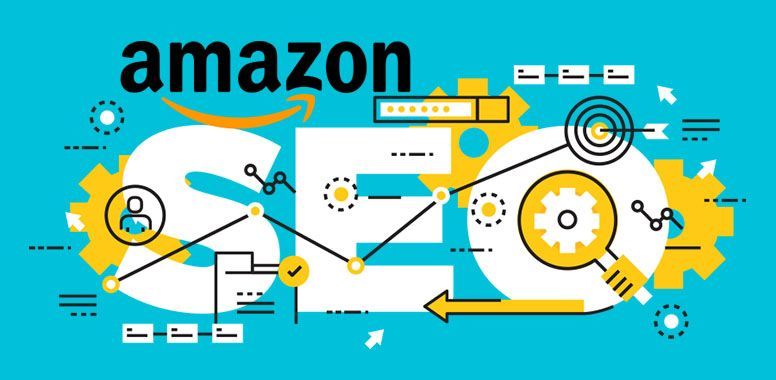
Amazon remains one of the most competitive marketplaces in the world, and sellers constantly strive to gain an edge over their competitors. With millions of listings, hundreds of categories, and countless keywords, mastering Amazon SEO has become more crucial than ever before. As we approach 2026, it's clear that the landscape of Amazon search and optimization is evolving, with new algorithms, changing trends, and emerging tools. To stay ahead, you need to refine your Amazon SEO strategy and adopt the latest best practices that will elevate your listings and drive consistent sales.
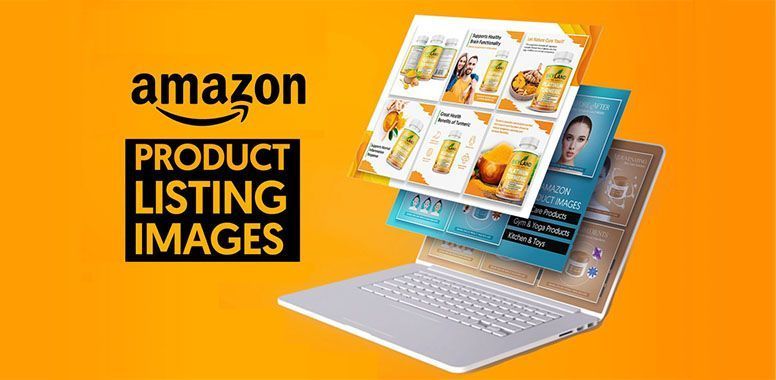
In the highly competitive Amazon marketplace, product images are one of the most powerful tools sellers have at their disposal. While product descriptions and keywords are essential for driving traffic and conversions, images are what often make the first impression on potential buyers. They are not only the first thing shoppers see, but also a primary factor in whether they will click on your listing or scroll past it.

Something shifted on Amazon in 2024 that most brands are still catching up to. A shopper opens the Amazon app, types a question – not a product name, not a keyword – and gets back a conversational, AI-generated response that recommends two or three products, explains why each one fits their situation, and sometimes adds a product to their cart on their behalf. No scrolling through pages of results. No comparing titles and star ratings. Just a recommendation from an AI assistant that the shopper trusts enough to act on.
For most of 2025, Amazon sellers experienced something rare: a fee freeze. Amazon held its US referral and fulfillment fee rates steady through the year, giving sellers a window to stabilize operations after years of consecutive increases. That window closed on January 15, 2026, when a new fee structure took effect – and the changes were more layered and operationally significant than the headline average of eight cents per unit suggested.

For years, Amazon success revolved around one primary objective: rank for keywords.
In 2026, Amazon is more automated than ever.
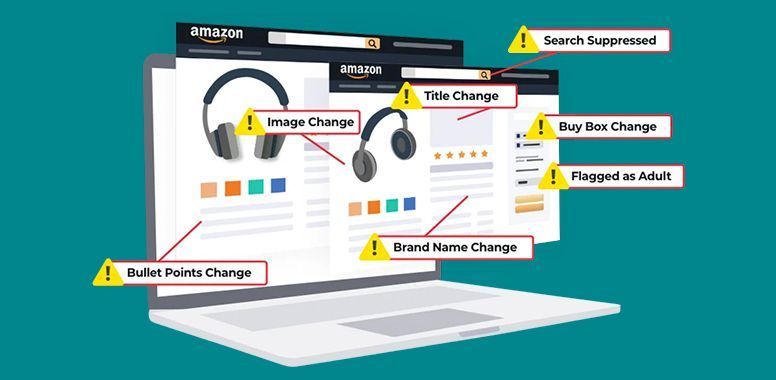
How Brands Can Recover Visibility, Improve SEO, and Restore Sales Momentum on Amazon
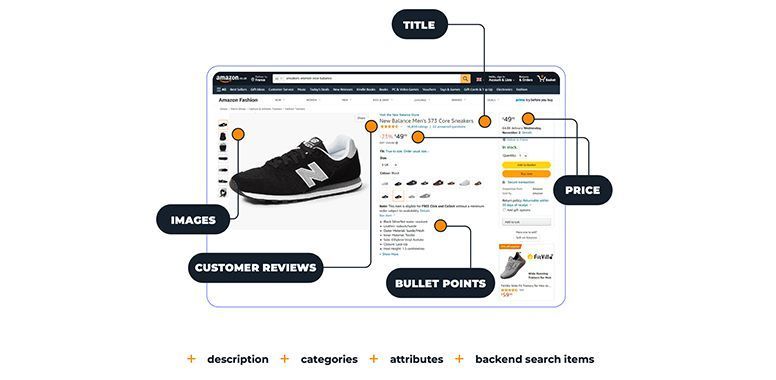
Why Clean, Accurate Catalog Data Is the Secret Weapon Behind High-Performing Amazon Listings
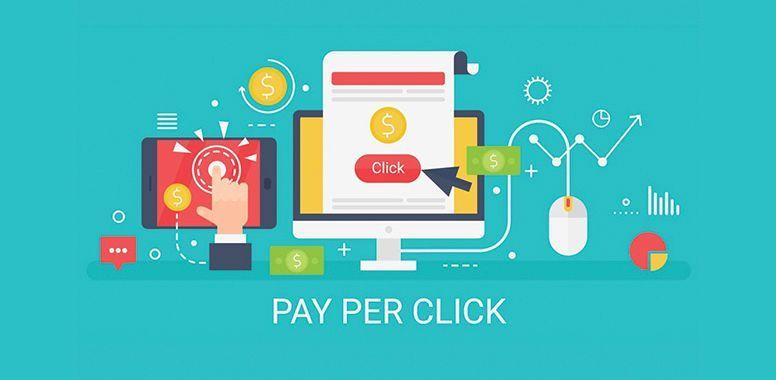
Pay-Per-Click Advertising (PPC) advertising has evolved from a simple optional tool into one of the most powerful levers for sellers aiming to thrive on the platform. In 2026, with Amazon's ad revenue surpassing $68 billion annually and competition intensifying across categories, PPC stands out as a wonder because it delivers immediate, measurable results.
In 2026, the way people shop has shifted dramatically. After years of economic uncertainty, inflation pressures, and endless options online, consumers are moving away from impulsive, volume-driven purchases toward intentional buying —a mindful approach where every dollar spent must earn its place. According to recent reports from NielsenIQ and other consumer insights, spending is now deeply intentional: shoppers prioritize value, quality, trust, personalization, and alignment with their values over sheer convenience or low prices alone. They ask tougher questions before clicking "Add to Cart": Does this solve a real need? Is it worth the cost? Will it last or deliver tangible benefits? This isn't about buying less for minimalism's sake—it's about buying better , with purpose, to avoid regret, support sustainability where it matters, and maximize satisfaction from each purchase.